Feeling drained halfway through your workday? You’re not alone. Modern office culture keeps us glued to our desks for hours, zapping our energy and killing productivity. But what if just a few minutes of movement could transform your entire day?

The secret lies in micro-workouts—short, effective exercise bursts you can do right at your desk without changing clothes or breaking a sweat. These quick movement breaks are scientifically proven to boost circulation, sharpen mental focus, and recharge your batteries when you need it most. Let’s explore how these desk-friendly exercises can revolutionize your workday and overall well-being.
Why Sitting Is Sabotaging Your Energy Levels 🪑
Prolonged sitting has earned the nickname “the new smoking” for good reason. When we remain sedentary for extended periods, our metabolism slows down, blood circulation decreases, and our muscles become stiff and fatigued. This physical stagnation directly impacts our mental performance and energy levels.
Research shows that sitting for more than 30 minutes without movement causes a significant drop in blood flow to the brain. This reduction in cerebral circulation leads to decreased cognitive function, slower reaction times, and that all-too-familiar afternoon brain fog. Your body wasn’t designed for marathon sitting sessions—it craves regular movement to function optimally.
Beyond the immediate energy drain, chronic sitting contributes to long-term health issues including cardiovascular disease, diabetes, obesity, and musculoskeletal problems. The good news? Regular micro-workouts throughout your day can counteract these negative effects and keep both your body and mind performing at peak levels.
The Science Behind Micro-Workouts and Productivity ⚡
Micro-workouts work by triggering several beneficial physiological responses. When you move, even briefly, your heart rate increases, pumping oxygen-rich blood throughout your body and brain. This surge in circulation delivers essential nutrients to your cells and removes metabolic waste products that accumulate during sedentary periods.
Movement also stimulates the release of endorphins—your body’s natural mood elevators and energy boosters. These neurochemicals improve your emotional state, reduce stress hormones like cortisol, and create a sense of alertness and well-being. Just five minutes of physical activity can generate an endorphin response that lasts for hours.
Additionally, exercise activates the sympathetic nervous system, which increases production of brain-derived neurotrophic factor (BDNF). This protein supports the growth of new neural connections and improves memory, learning, and concentration. Studies demonstrate that workers who take regular movement breaks complete tasks faster and with fewer errors than those who remain sedentary.
Essential Desk-Friendly Micro-Workouts You Can Start Today 💪
Seated Exercises That Pack a Punch
You don’t even need to leave your chair to reap the benefits of movement. Seated leg raises strengthen your core and quadriceps while improving circulation to your lower body. Simply straighten one or both legs and hold them parallel to the floor for 10-30 seconds, then lower slowly. Repeat 10-15 times.
Desk chair swivels engage your obliques and improve spinal mobility. Sit up straight, lift your feet slightly off the ground, and use your core muscles to rotate your chair from side to side in a controlled motion. This exercise relieves tension in your lower back while activating often-neglected torso muscles.
Seated marches get your blood pumping without leaving your workspace. Sit tall and lift your knees alternately as if marching in place, engaging your core with each lift. Perform this for 60 seconds to increase circulation and wake up your nervous system during that mid-afternoon slump.
Standing Desk Exercises for Maximum Impact
If you have access to a standing desk, you’ve unlocked even more movement opportunities. Calf raises strengthen your lower legs while improving balance and ankle stability. Rise up onto your toes, hold for two seconds, then lower slowly. Complete 20-30 repetitions throughout the day.
Standing desk push-ups provide an excellent upper body workout without getting on the floor. Place your hands on your desk slightly wider than shoulder-width, step back until your body forms a straight line, then perform push-ups. This variation is easier on the wrists than traditional push-ups while still engaging your chest, shoulders, and triceps.
Hip flexor stretches counteract the tightness caused by prolonged sitting. Stand facing your desk, step one foot back, and gently press your hips forward while keeping your back straight. Hold for 30 seconds on each side to relieve lower back tension and improve posture.
Stretching Sequences for Flexibility and Relief
Neck rolls release accumulated tension that often leads to headaches and reduced concentration. Slowly roll your head in complete circles, five times in each direction, keeping your shoulders relaxed. This simple movement increases blood flow to your neck muscles and reduces stiffness.
Shoulder blade squeezes combat the forward-rounded posture common among desk workers. Sit or stand tall, pull your shoulder blades together as if trying to hold a pencil between them, hold for five seconds, then release. Repeat 10-15 times to strengthen your upper back and open your chest.
Wrist and finger stretches prevent repetitive strain injuries from constant typing. Extend one arm forward with your palm facing out, gently pull your fingers back with your other hand, hold for 15 seconds, then switch hands. Follow with finger spreads and gentle wrist circles to maintain flexibility and prevent carpal tunnel symptoms.
Creating Your Perfect Micro-Workout Schedule 📅
Timing is crucial for maximizing the benefits of micro-workouts. The ideal approach involves short movement breaks every 25-30 minutes, aligning with the natural rhythm of your attention span. This pattern mirrors the popular Pomodoro Technique, which alternates focused work periods with brief breaks.
Start your day with a five-minute energizing sequence before diving into work. This morning routine primes your nervous system, improves alertness, and sets a positive tone for the hours ahead. Focus on dynamic movements like arm circles, standing marches, and spinal twists to wake up your entire body.
Mid-morning and mid-afternoon slumps typically occur around 10:30 AM and 2:30 PM—perfect times for strategic movement breaks. During these energy dips, opt for more vigorous exercises like desk push-ups, standing desk squats, or a quick walk around your office. These higher-intensity bursts combat fatigue more effectively than passive rest.
End your workday with a gentle cool-down routine focused on stretching and relaxation. This transition helps signal to your body that the work period is ending, reducing residual tension and preparing you for evening activities. Prioritize hip flexor stretches, shoulder releases, and neck mobility exercises.
Tracking Your Movement for Accountability and Progress 📱
Technology can be your ally in maintaining consistent micro-workout habits. Numerous apps help you remember to move, track your activity, and gradually increase your movement throughout the day. Setting regular reminders on your phone or computer ensures you don’t get lost in work and forget to take breaks.
Fitness trackers and smartwatches offer stand reminders that vibrate after prolonged sitting periods. These gentle nudges create awareness of your sedentary time and encourage regular movement. Many devices also track your daily steps, active minutes, and even send motivational messages to keep you moving.
Consider using a dedicated break reminder app that prompts you with specific exercises. These applications often include video demonstrations, customizable schedules, and progress tracking features. Some even gamify the experience, awarding points or badges for consistency and encouraging friendly competition with colleagues.
Overcoming Common Obstacles to Desk Exercise 🚧
One major barrier people cite is self-consciousness about exercising in front of coworkers. Remember that normalizing workplace movement benefits everyone. Start with subtle exercises like seated stretches and ankle circles. As you become more comfortable, gradually incorporate more visible movements. You might inspire colleagues to join you!
Limited space presents another challenge, especially in crowded offices. Fortunately, most effective micro-workouts require only the space around your desk. Focus on exercises that move vertically rather than horizontally—leg raises, calf raises, and standing stretches work perfectly in tight quarters.
Time constraints often prevent people from taking breaks, especially during busy periods. Shift your perspective: these movement breaks aren’t time wasted but rather investments in productivity. Studies show that regular breaks actually improve efficiency, meaning you’ll complete tasks faster and with better quality when you incorporate movement.
For those working from home, the challenge might be too much comfort and no external accountability. Create a dedicated workspace that mimics an office environment, dress professionally even at home, and use technology to enforce movement breaks. Consider virtual accountability partners who check in on each other’s movement habits throughout the day.
Combining Micro-Workouts with Other Healthy Habits 🌟
Micro-workouts deliver even greater benefits when paired with proper hydration. Water supports every metabolic process in your body, including energy production and nutrient transport. Keep a water bottle at your desk and take a drink during each movement break. This dual habit keeps you hydrated while providing natural movement prompts—you’ll need regular bathroom breaks that add extra steps to your day!
Strategic snacking complements your movement routine by maintaining stable blood sugar levels. Choose protein-rich options like nuts, Greek yogurt, or hard-boiled eggs rather than sugary snacks that cause energy crashes. Time your healthy snacks alongside movement breaks to create a comprehensive energy-boosting ritual.
Eye care should accompany physical movement breaks. Follow the 20-20-20 rule: every 20 minutes, look at something 20 feet away for 20 seconds. This practice reduces eye strain, prevents headaches, and gives your brain a mental break. Combine this with neck stretches and shoulder rolls for maximum rejuvenation.
Deep breathing exercises enhance the oxygenation benefits of physical movement. During any micro-workout, focus on taking full, deep breaths rather than shallow chest breathing. Proper breathing activates your parasympathetic nervous system, reducing stress while increasing mental clarity and physical endurance.
Building a Movement-Friendly Workplace Culture 🏢
Individual efforts multiply when supported by organizational culture. If you’re in a leadership position, advocate for standing desks, walking meeting options, and designated break areas with exercise equipment. These environmental changes remove barriers and normalize movement throughout the workday.
Organize group micro-workout sessions where team members exercise together. This social element increases adherence, builds camaraderie, and makes movement more enjoyable. Even a simple five-minute midday stretch session can become a cherished ritual that brings people together while boosting collective energy.
Share educational resources about the benefits of workplace movement with your colleagues and management. When everyone understands how micro-workouts improve productivity, reduce healthcare costs, and enhance employee satisfaction, gaining support for movement initiatives becomes much easier.
Consider proposing a wellness challenge that encourages regular movement breaks. Friendly competition—like tracking total steps, movement minutes, or consecutive days of micro-workouts—motivates participants while creating awareness. Offer small rewards or recognition for consistent participation to maintain enthusiasm.
Measuring Your Success Beyond the Scale ⚖️
The benefits of micro-workouts extend far beyond weight loss or muscle gain. Pay attention to improved markers like sustained energy levels throughout the day, reduced afternoon fatigue, and better sleep quality at night. These subtle changes indicate significant improvements in your overall health and metabolic function.
Track your mental performance metrics such as task completion speed, error rates, and creative problem-solving ability. Many people discover they can focus for longer periods and generate better ideas after implementing regular movement breaks. Keep a simple log noting your productivity alongside your movement habits to identify correlations.
Monitor physical comfort indicators including reduced back pain, fewer headaches, less neck stiffness, and improved posture. These changes often appear within just a few weeks of consistent micro-workout practice. Take progress photos or notes about how your body feels to maintain motivation during the initial habit-formation period.
Emotional and stress-related improvements deserve equal attention. Notice changes in your mood stability, stress management, and overall sense of well-being. Reduced anxiety, better emotional regulation, and increased resilience are valuable outcomes that significantly impact both work performance and life satisfaction.
Adapting Your Routine as You Progress 🚀
Start with the basics and gradually increase intensity and frequency. If you’re currently sedentary, begin with just three two-minute movement breaks daily. Once this becomes habitual, extend the duration or add more breaks. Progressive overload—gradually increasing demands on your body—ensures continued improvement without overwhelming yourself.
Experiment with different exercise types to discover what you enjoy most and what addresses your specific needs. If you experience chronic lower back pain, emphasize hip flexor stretches and core strengthening. If your shoulders constantly feel tight, prioritize upper body mobility work and posture-correcting exercises.
Rotate through various routines to prevent boredom and work different muscle groups. Monday might focus on lower body exercises, Wednesday on upper body and posture, and Friday on flexibility and mobility. This variation keeps things interesting while ensuring balanced physical development.
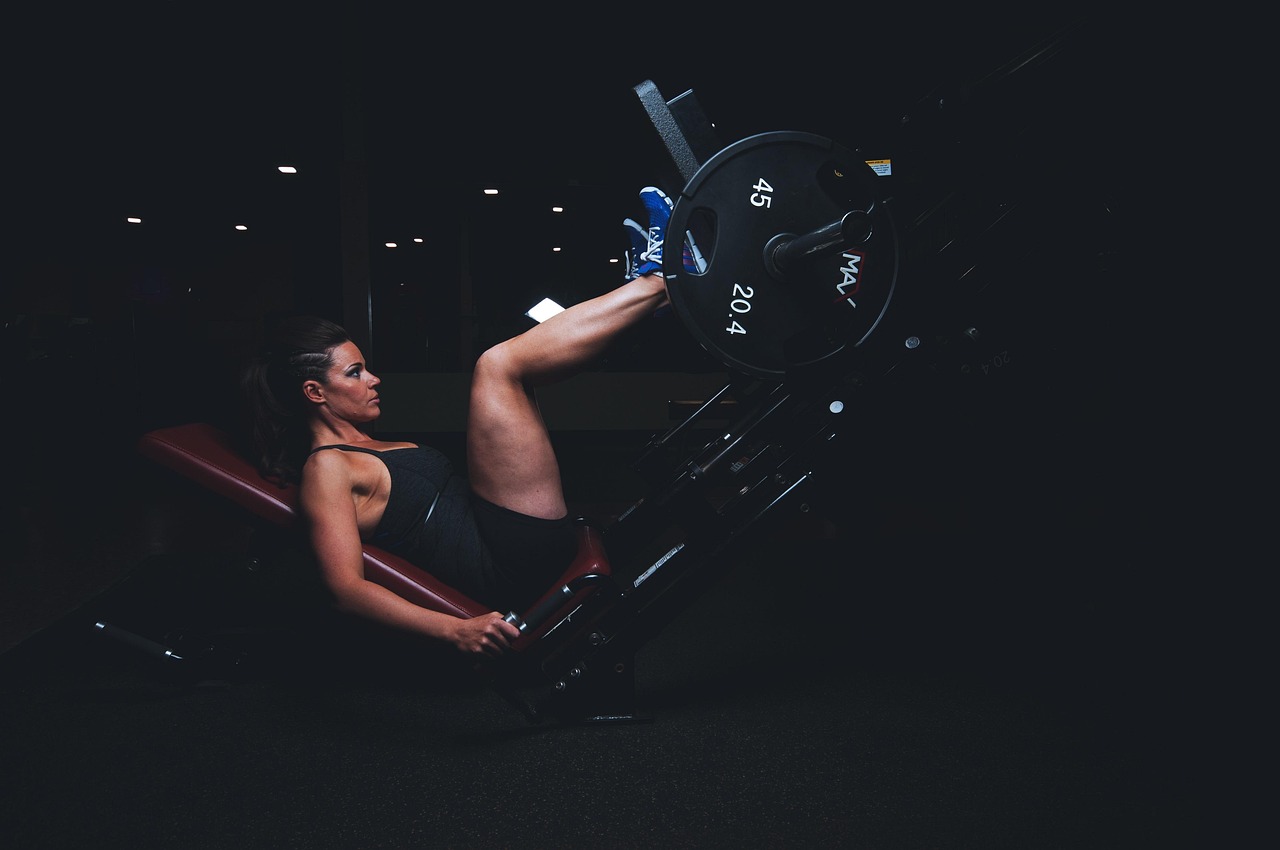
As your fitness improves, challenge yourself with more advanced variations. Standard desk push-ups can progress to decline push-ups with your feet elevated on a chair. Basic stretches can evolve into dynamic mobility sequences that require greater strength and coordination. Continuous progression maintains engagement and delivers ongoing results.
Transform Your Workday Starting Now! 💼✨
You now have all the knowledge needed to revolutionize your energy levels and productivity through desk-friendly micro-workouts. The only thing standing between you and a healthier, more energized workday is action. Start small—commit to just one two-minute movement break this afternoon and notice how you feel.
Remember that consistency trumps intensity. A modest routine performed daily delivers far better results than sporadic intense exercise sessions. Build your micro-workout habit gradually, celebrate small wins, and be patient with yourself during the adjustment period. Within a few weeks, movement breaks will feel as natural and essential as your morning coffee.
The compound benefits of regular movement extend into every area of your life. Better energy and productivity at work translate to more vitality for evening activities, improved relationships, and enhanced overall life satisfaction. Your body is designed to move—honor that design, and it will reward you with renewed vigor and wellness.
Don’t wait for the perfect moment or ideal conditions. Your journey toward a more active, energized workday begins with the next decision you make. Stand up right now, stretch your arms overhead, take three deep breaths, and commit to making micro-workouts a non-negotiable part of your daily routine. Your future self will thank you! 🎯