
Starting a fitness journey can feel overwhelming, but it doesn’t have to be. Micro-workouts offer the perfect solution for beginners who want to build sustainable exercise habits without the intimidation factor of lengthy gym sessions.

The beauty of micro-workouts lies in their accessibility and effectiveness. These bite-sized exercise sessions, typically lasting between 5 to 15 minutes, can transform your relationship with fitness by removing common barriers like time constraints and physical intimidation. Whether you’re recovering from a sedentary lifestyle, managing a busy schedule, or simply looking for a gentler entry point into the world of fitness, micro-workouts provide the foundation for long-term success.
Understanding the Power of Micro-Workouts 💪
Micro-workouts represent a paradigm shift in how we approach fitness. Rather than viewing exercise as an all-or-nothing commitment requiring hours at the gym, these compact sessions acknowledge that consistency trumps intensity, especially for beginners. Research shows that accumulating short bursts of physical activity throughout the day can deliver similar cardiovascular and metabolic benefits to longer, continuous workouts.
The psychological advantages are equally compelling. When you complete a 10-minute workout, your brain registers it as an achievement, releasing dopamine and building positive associations with exercise. This neurological reward system becomes crucial for habit formation, making it more likely you’ll return to your routine the next day.
For beginners, micro-workouts also minimize the risk of injury and excessive soreness that often derails new fitness enthusiasts. By gradually introducing your body to movement patterns and building foundational strength, you create a sustainable progression path that respects your current fitness level while challenging you to improve.
Building Your Foundation: Essential Micro-Workout Categories
A comprehensive micro-workout library should address all aspects of fitness, ensuring balanced development across strength, cardiovascular health, flexibility, and mobility. Understanding these categories helps you design a well-rounded routine that supports overall wellness rather than focusing narrowly on one fitness component.
Strength and Resistance Training Basics
Bodyweight exercises form the cornerstone of beginner-friendly strength training. These movements require no equipment, can be performed anywhere, and naturally scale with your fitness level. Push-ups, squats, lunges, and planks constitute the fundamental patterns that build functional strength applicable to everyday activities.
Start with modified versions that match your current capabilities. Wall push-ups, box squats using a chair for support, and knee planks offer accessible entry points. As your strength develops over weeks and months, you’ll naturally progress to more challenging variations without needing to invest in expensive equipment or gym memberships.
A typical strength-focused micro-workout might include three exercises performed for 30-45 seconds each, with 15-20 seconds of rest between movements. Complete 2-3 rounds, and you’ve accomplished an effective 8-12 minute strength session that stimulates muscle growth and metabolic adaptation.
Cardiovascular Conditioning Without the Overwhelm
Cardio doesn’t mean running until you’re gasping for air. For beginners, cardiovascular micro-workouts focus on elevating your heart rate sustainably while respecting your current conditioning level. Marching in place, step-touches, gentle jumping jacks, or low-impact dance movements provide cardiovascular benefits without excessive joint stress.
The interval approach works exceptionally well for cardio micro-workouts. Alternate between 20-30 seconds of movement and equal rest periods. This structure allows your cardiovascular system to adapt progressively while preventing the exhaustion that often discourages beginners from continuing their fitness journey.
Flexibility and Mobility Work That Actually Feels Good ✨
Often overlooked by beginners, flexibility and mobility training delivers immediate benefits that enhance both exercise performance and daily comfort. These micro-workouts reduce muscle tension, improve joint range of motion, and create a mindful connection between your body and mind.
Dynamic stretching before more intense activity prepares your body for movement, while static stretching afterward promotes recovery and relaxation. A 7-minute morning mobility routine might include cat-cow stretches, shoulder rolls, hip circles, and gentle spinal twists—movements that awaken your body and establish a positive tone for the day ahead.
Creating Your Personal Micro-Workout Schedule
The most effective workout program is the one you’ll actually follow. Rather than adopting someone else’s routine wholesale, customize your approach based on your schedule, preferences, and fitness goals. This personalization transforms exercise from an obligation into an integrated part of your lifestyle.
Consider your energy patterns throughout the day. Are you naturally energetic in the morning, or do you find momentum building in the afternoon? Schedule your micro-workouts during these peak periods to maximize both performance and enjoyment. The flexibility of short sessions means you can strategically place them during work breaks, before meals, or as transitions between daily activities.
The Weekly Blueprint for Success
A balanced beginner’s program might look like this: three days of strength-focused micro-workouts, two days of cardio sessions, and two days dedicated to flexibility and recovery. This structure ensures adequate stimulus for adaptation while providing sufficient rest for your body to rebuild and strengthen.
Monday could feature lower body strength, Wednesday upper body strength, and Friday total body movements. Tuesday and Thursday might involve cardio sessions, while Saturday focuses on extended stretching and Sunday remains a complete rest day or includes gentle mobility work if you’re feeling energetic.
Progressive Overload in Miniature
Even within short workout sessions, the principle of progressive overload applies. This doesn’t necessarily mean adding weight or equipment—beginners can progress by increasing repetitions, reducing rest periods, improving movement quality, or advancing to more challenging exercise variations.
Track your workouts in a simple journal or smartphone app. Note how many repetitions you completed, how the movements felt, and your energy levels. This data becomes invaluable for identifying patterns, celebrating progress, and making informed adjustments to your routine.
Essential Exercises Every Beginner Should Master
Certain movements form the foundation of physical fitness, appearing across countless workout programs because they effectively engage multiple muscle groups while developing functional strength applicable to real-world activities. Mastering these fundamental patterns creates a solid base for any future fitness endeavors.
The Squat: Lower Body Powerhouse
Squats strengthen your quadriceps, hamstrings, glutes, and core while reinforcing the movement pattern you use countless times daily when sitting and standing. Begin with box squats, lightly touching a chair or bench before standing, ensuring you maintain proper form without fear of losing balance.
Focus on pushing your hips back as if sitting into a chair, keeping your chest lifted and weight distributed through your entire foot. As confidence builds, progress to freestanding bodyweight squats, then eventually add variations like sumo squats or single-leg progressions.
The Push-Up Progression Path
Push-ups develop chest, shoulder, and tricep strength while engaging your core stabilizers. The progression from wall push-ups to incline push-ups (hands on an elevated surface) to knee push-ups and finally full push-ups can span several months—and that’s perfectly acceptable.
Quality always supersedes quantity. Five controlled, full-range push-ups with excellent form deliver better results than twenty poorly executed repetitions that reinforce improper movement patterns and increase injury risk.
The Plank: Core Stability Foundation
Planks teach your core to stabilize your spine during static holds, translating to better posture and reduced back pain. Start with forearm planks on your knees, maintaining a straight line from knees to head for 15-30 seconds. As endurance develops, progress to full planks and eventually experiment with side planks and dynamic variations.
Digital Tools to Support Your Journey 📱
Technology can significantly enhance your micro-workout practice by providing structure, tracking progress, and delivering expert guidance directly to your smartphone. The right fitness app transforms scattered exercise attempts into a coherent program with measurable results.
Look for applications that offer beginner-specific content, clear video demonstrations, customizable routines, and progress tracking features. The best apps accommodate your schedule by offering flexible session lengths and don’t require expensive equipment or gym access.
Many quality fitness applications provide pre-designed micro-workout libraries specifically created for beginners, removing the guesswork from exercise selection and programming. These structured approaches ensure you’re hitting all major movement patterns while progressively building capacity over time.
Overcoming Common Beginner Obstacles
Every fitness journey encounters resistance, both physical and psychological. Anticipating these challenges and developing strategies to address them significantly increases your likelihood of long-term success.
The Motivation Myth
Waiting for motivation is a trap. Successful fitness practitioners rely on systems and habits rather than fleeting feelings of inspiration. Schedule your micro-workouts like non-negotiable appointments. Lay out your workout clothes the night before. Create environmental cues that trigger your exercise habit automatically.
Remember that motivation often follows action rather than preceding it. Once you start moving, energy and enthusiasm typically emerge. The hardest part is simply beginning—and micro-workouts minimize this friction by requiring such a small initial commitment.
Dealing with Soreness and Discomfort
Delayed onset muscle soreness (DOMS) is normal when beginning a fitness program or trying new movements. This temporary discomfort typically peaks 24-48 hours after exercise and shouldn’t be confused with injury pain, which is sharp, localized, and worsens with movement.
Gentle movement actually helps reduce soreness by promoting blood flow to recovering muscles. On days when you’re sore, consider lighter mobility work or a leisurely walk rather than complete rest. Stay hydrated, prioritize sleep, and ensure adequate protein intake to support muscle recovery.
Breaking Through Plateaus
After initial rapid progress, improvement naturally slows—this is your body adapting efficiently to familiar stimuli. Combat plateaus by introducing variety through new exercises, altering workout timing, or adjusting rest periods. Sometimes the solution is actually reducing training volume temporarily, allowing your body to fully recover and super-compensate.
Nutrition Essentials to Fuel Your Workouts 🥗
Exercise represents only one component of comprehensive fitness. Your nutrition habits profoundly influence energy levels, recovery capacity, and body composition changes. Fortunately, supporting micro-workouts doesn’t require complicated meal plans or restrictive diets.
Focus on consistency rather than perfection. Ensure adequate protein intake (roughly 0.7-1.0 grams per pound of body weight) to support muscle recovery and growth. Prioritize whole foods—vegetables, fruits, whole grains, lean proteins, and healthy fats—while maintaining flexibility for occasional treats without guilt.
Hydration deserves particular attention, as even mild dehydration impairs both physical and cognitive performance. Aim for clear or pale-yellow urine as a practical hydration indicator, adjusting water intake based on activity level, climate, and individual needs.
Measuring Progress Beyond the Scale
Body weight represents only one metric of fitness success and often misleads beginners who expect linear progress. As you build muscle and increase cardiovascular fitness, the scale might not move dramatically—or might even temporarily increase—while your body composition improves significantly.
Track energy levels, sleep quality, mood stability, and how your clothes fit. Notice functional improvements: climbing stairs without breathlessness, carrying groceries with ease, playing with children or pets without exhaustion. These real-world enhancements often matter more than arbitrary numbers.
Progress photos taken monthly in consistent lighting and positions provide valuable visual feedback. Strength benchmarks—how many push-ups or how long you can hold a plank—offer objective data about improving physical capacity. Celebrate all these victories, not just scale changes.
Building Your Support System
Fitness journeys become more sustainable and enjoyable when shared. Connect with friends or family members who share health goals, creating mutual accountability and encouragement. Online communities dedicated to beginner fitness offer inspiration, advice, and camaraderie from people navigating similar challenges.
Consider sharing your commitment publicly through social media if that provides motivation, but avoid comparison traps that diminish your own progress. Your fitness journey is uniquely yours, proceeding at exactly the right pace for your body, circumstances, and goals.
The Long-Term Vision: Where Micro-Workouts Lead 🎯
Micro-workouts aren’t merely a beginner phase to endure before “real” training begins—they represent a sustainable approach to lifelong fitness. Many advanced practitioners maintain micro-workout habits alongside more intensive training, using short sessions for active recovery, travel maintenance, or busy periods when longer workouts aren’t feasible.
The skills you develop now—consistency, body awareness, proper movement patterns, and intrinsic motivation—create foundations that support any future fitness endeavor. Whether you eventually pursue running, weightlifting, yoga, martial arts, or simply maintain general fitness, these early habits prove invaluable.
Perhaps most importantly, micro-workouts demonstrate that fitness belongs to everyone, not just those with abundant time, expensive equipment, or athletic backgrounds. By starting where you are, with what you have, you claim agency over your physical health and model positive behaviors that can influence those around you.
Taking Your First Step Today
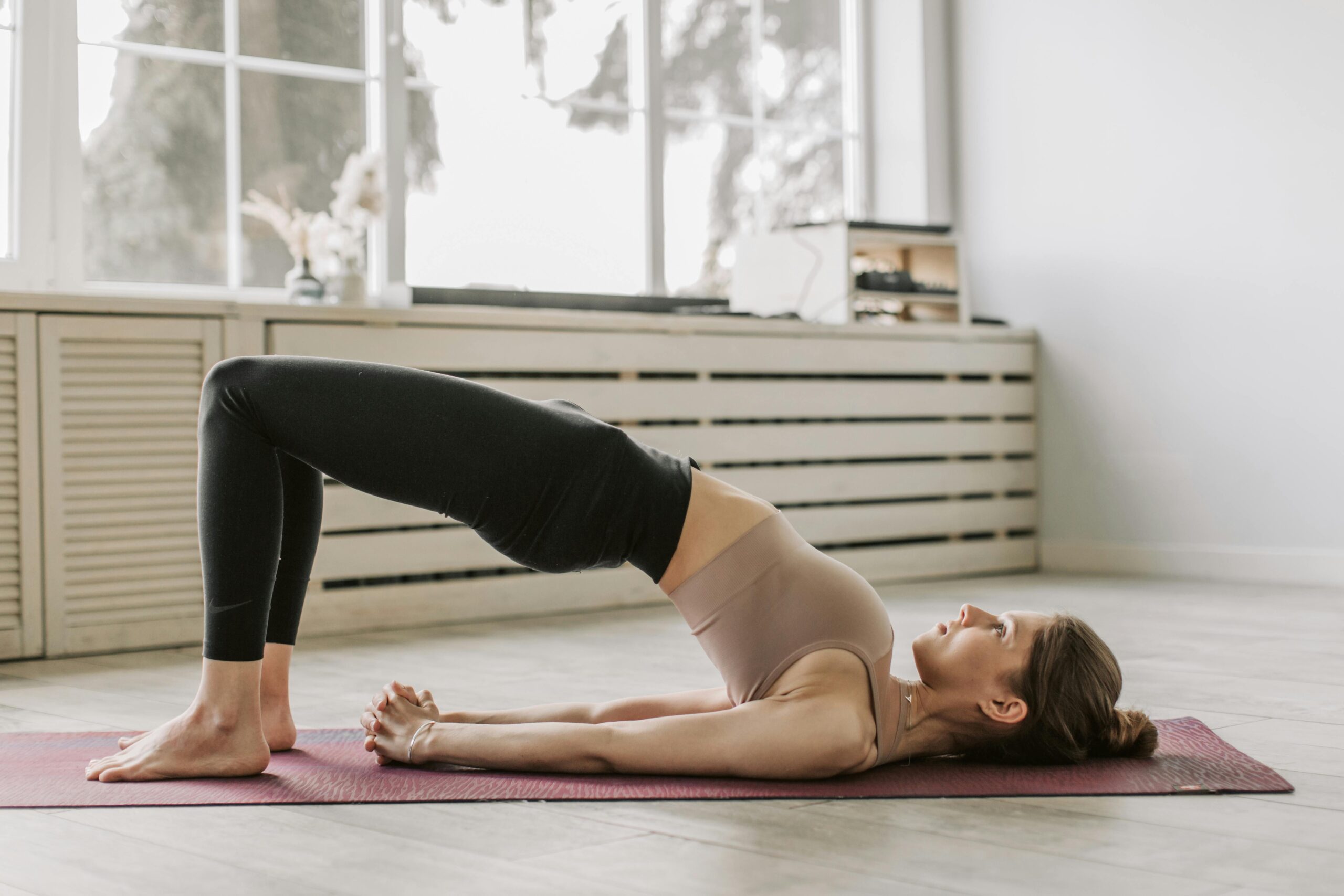
Your fitness journey doesn’t require waiting for the perfect moment, ideal circumstances, or complete preparation. It begins with a single decision followed by modest action—perhaps a 5-minute movement session in your living room or a short walk around your neighborhood.
Download a beginner-friendly fitness app, bookmark a few instructional videos, or simply commit to five minutes of basic movements tomorrow morning. The specific details matter less than establishing momentum and proving to yourself that change is possible through accumulated small actions.
Remember that everyone who now enjoys fitness once stood exactly where you are today—at the beginning, unsure and perhaps intimidated. They succeeded not through superhuman willpower or genetic advantages, but through persistence, patience, and the understanding that progress compounds over time. You possess everything necessary to join them on this journey toward improved health, vitality, and confidence. Your ultimate micro-workout library awaits your exploration, one short session at a time.