Finding time to work out can feel impossible when juggling work, family, and daily responsibilities. But what if you could transform any space into a personal fitness studio with simple, effective exercises that take just minutes?

Micro-workouts are revolutionizing how we approach fitness, proving that you don’t need expensive equipment, gym memberships, or even much time to stay active and healthy. These low-impact movement sessions can be seamlessly integrated into your daily routine, whether you’re at home, in your office, or traveling. The beauty of this approach lies in its accessibility and sustainability—anyone can start right now, regardless of fitness level.
🏃♀️ Understanding the Power of Micro-Workouts
Micro-workouts are brief exercise sessions lasting anywhere from one to fifteen minutes. Unlike traditional hour-long gym sessions, these compact bursts of activity can be scattered throughout your day, accumulating significant health benefits without overwhelming your schedule.
Research shows that breaking exercise into smaller chunks throughout the day can be just as effective as one continuous session. Your body doesn’t differentiate between a 30-minute workout and three 10-minute sessions—the metabolic benefits, cardiovascular improvements, and calorie burn remain comparable.
Low-impact variations make these workouts accessible to people recovering from injuries, seniors, beginners, or anyone who prefers gentler movements. You’ll protect your joints while still building strength, improving flexibility, and boosting your cardiovascular health.
💪 Why Low-Impact Doesn’t Mean Low-Intensity
There’s a common misconception that low-impact exercises won’t deliver real results. This couldn’t be further from the truth. Low-impact simply means reducing stress on your joints by keeping at least one foot on the ground at all times, avoiding jumping or jarring movements.
You can still elevate your heart rate, build muscle, and break a sweat with low-impact movements. The key is intentional engagement—focusing on controlled movements, proper form, and adding resistance through your own body weight or simple props.
These exercises are particularly valuable for long-term fitness sustainability. High-impact activities like running and jumping can lead to overuse injuries when done excessively. Low-impact alternatives allow you to exercise more frequently with reduced recovery time, creating a sustainable fitness routine you can maintain for decades.
🏠 Transforming Your Living Space into a Fitness Zone
Your home is filled with opportunities for micro-workouts. You don’t need to dedicate an entire room or purchase special equipment. A small clear area—just enough to lie down or take a few steps—is all you need to get started.
The living room becomes perfect for bodyweight exercises during commercial breaks or before your favorite show. Your kitchen counter doubles as a sturdy surface for modified push-ups or tricep dips while waiting for coffee to brew. Even your bedroom offers opportunities for morning stretches or evening yoga flows.
Creating Workout Stations Throughout Your Home
Strategically place visual cues around your living space to remind you to move. A yoga mat rolled in the corner, resistance bands hanging on a doorknob, or a simple chart on your wall can serve as gentle prompts to squeeze in a quick session.
Consider these micro-workout stations:
- Entryway: Wall sits, calf raises, and standing leg lifts while putting on shoes
- Kitchen: Counter push-ups, standing side leg lifts, and ankle circles while cooking
- Bathroom: Squats or lunges while brushing teeth (yes, really!)
- Bedroom: Morning stretches, gentle yoga, or evening mobility work
- Home office: Desk chair exercises, standing desk movement breaks, shoulder rolls
🏢 Office-Friendly Micro-Workouts That Won’t Cause a Scene
Your workplace doesn’t have to be a fitness dead zone. Discreet exercises can be performed at your desk, in a conference room, or during brief breaks without drawing unwanted attention or breaking a visible sweat.
Seated exercises are surprisingly effective. Try ankle flexes and rotations, seated marches, glute squeezes, shoulder blade squeezes, and seated twists. These movements keep your blood flowing, prevent stiffness, and combat the negative effects of prolonged sitting.
Standing workstations offer even more possibilities. Incorporate gentle calf raises, standing hip circles, subtle lunges (disguised as simply stepping forward), and wall push-ups using a sturdy surface.
The Power of Movement Snacks
Set a timer to remind yourself to take “movement snacks” every hour. These brief 2-3 minute sessions can include simple activities like walking in place, stretching your arms overhead, performing desk push-ups, or doing a few squats.
These regular interruptions to sitting have been shown to improve circulation, reduce back pain, enhance focus and productivity, and significantly impact your daily calorie expenditure. Five movement snacks throughout an eight-hour workday add up to meaningful physical activity.
✈️ Staying Active While Traveling
Travel often disrupts fitness routines, but micro-workouts are perfectly suited for hotel rooms, airports, and limited spaces. Your body is the only equipment you need, making it impossible to forget your “gym” at home.
Hotel rooms provide enough space for effective low-impact exercises. Try glute bridges on the bed or floor, wall sits against any solid wall, modified planks on the bed for reduced intensity, standing leg lifts holding the desk or dresser, and gentle yoga flows using a towel as a makeshift mat.
Even airports offer movement opportunities during long layovers. Walk the terminals instead of sitting at the gate, perform standing calf raises while waiting in line, do shoulder and neck stretches in quiet corners, and practice deep breathing exercises to reduce travel stress.
🔥 Essential Low-Impact Micro-Workout Exercises
Building a repertoire of go-to exercises ensures you’re never at a loss for what to do during your micro-workout sessions. These movements target all major muscle groups while protecting your joints.
Lower Body Movements
Squats are the foundation of lower body training. For a low-impact version, control your descent, don’t drop quickly, and rise slowly. You can use a chair behind you for confidence, only sitting if needed.
Glute bridges are phenomenal for strengthening your posterior chain. Lie on your back, feet flat on the floor, and lift your hips toward the ceiling. Hold for a few seconds at the top, squeeze your glutes, then lower with control.
Standing leg lifts improve balance while targeting your glutes and outer thighs. Hold onto a wall or sturdy furniture, lift one leg out to the side keeping your body straight, then slowly lower and repeat.
Upper Body Strengtheners
Modified push-ups against a wall or countertop provide excellent chest and arm work without floor exercises. The more upright your body, the easier the movement—adjust the angle to match your strength level.
Tricep dips using a sturdy chair or couch edge effectively target the backs of your arms. Sit on the edge, hands beside your hips, slide forward, and lower your body by bending your elbows to 90 degrees.
Shoulder blade squeezes improve posture and strengthen upper back muscles. Simply pull your shoulder blades together, hold for five seconds, and release. Perfect for counteracting rounded shoulders from desk work.
Core Strengthening Without Crunches
Planks on your knees provide core strengthening without strain. Hold proper alignment from head to knees, engage your abdominals, and breathe naturally for 15-30 seconds.
Standing core work includes movements like standing knee lifts, standing bicycle crunches (bringing opposite elbow to knee), and torso twists which engage your midsection without lying down.
Bird dogs are excellent for core stability and back health. On hands and knees, extend opposite arm and leg, hold for a few seconds, then switch sides.
⏱️ Sample Micro-Workout Schedules
Consistency matters more than duration. Here are practical schedules showing how to integrate micro-workouts into different lifestyles.
The Busy Professional Schedule
This schedule fits movement around a typical office workday:
- Morning (5 minutes): Gentle stretching, cat-cow stretches, shoulder rolls
- Mid-morning (3 minutes): Standing leg lifts, calf raises at desk
- Lunch break (10 minutes): Brisk walk, squats, glute bridges
- Afternoon (3 minutes): Wall push-ups, tricep dips using chair
- After work (7 minutes): Full-body routine combining lower body, upper body, and core
The Stay-at-Home Schedule
For those working from home or managing households:
- Upon waking (5 minutes): Bed stretches, gentle yoga flow
- Morning routine (3 minutes): Bathroom counter push-ups, squats while brushing teeth
- Mid-morning (5 minutes): Kitchen counter exercises while coffee brews
- Lunch prep (4 minutes): Standing leg work, calf raises
- Afternoon (10 minutes): Dedicated floor work session with bridges, modified planks
- Evening (3 minutes): Stretching before bed
📱 Leveraging Technology for Accountability
Fitness apps can provide structure, reminders, and tracking for your micro-workout habit. Many applications offer short workout routines specifically designed for small spaces and busy schedules.
Look for features like customizable timers for interval training, movement reminders throughout the day, video demonstrations of proper form, and progress tracking to watch your consistency improve over time.
Simple phone alarms work wonderfully too. Set hourly reminders labeled with specific exercises to prompt you into action. The key is creating external cues until the habit becomes automatic.
🎯 Making Micro-Workouts Stick: Habit Formation Strategies
Knowledge without action changes nothing. The real challenge isn’t knowing what exercises to do—it’s consistently doing them. These strategies help transform good intentions into lasting habits.
Stack Your Workouts
Habit stacking means linking new behaviors to existing routines. Since you already perform certain activities daily, attach micro-workouts to these anchors. For example: after pouring morning coffee, do 10 squats; before checking email, perform 30 seconds of stretching; or while waiting for the shower to warm up, do wall push-ups.
Start Ridiculously Small
Motivation is unreliable, but tiny habits build momentum. Commit to just one squat, one push-up, or one minute of movement. This laughably small commitment removes the mental barrier to starting. Once you begin, you’ll often continue beyond your minimum.
After establishing consistency with minimal effort, gradually increase duration or intensity. But in the beginning, showing up matters infinitely more than the workout quality.
Track Your Consistency, Not Perfection
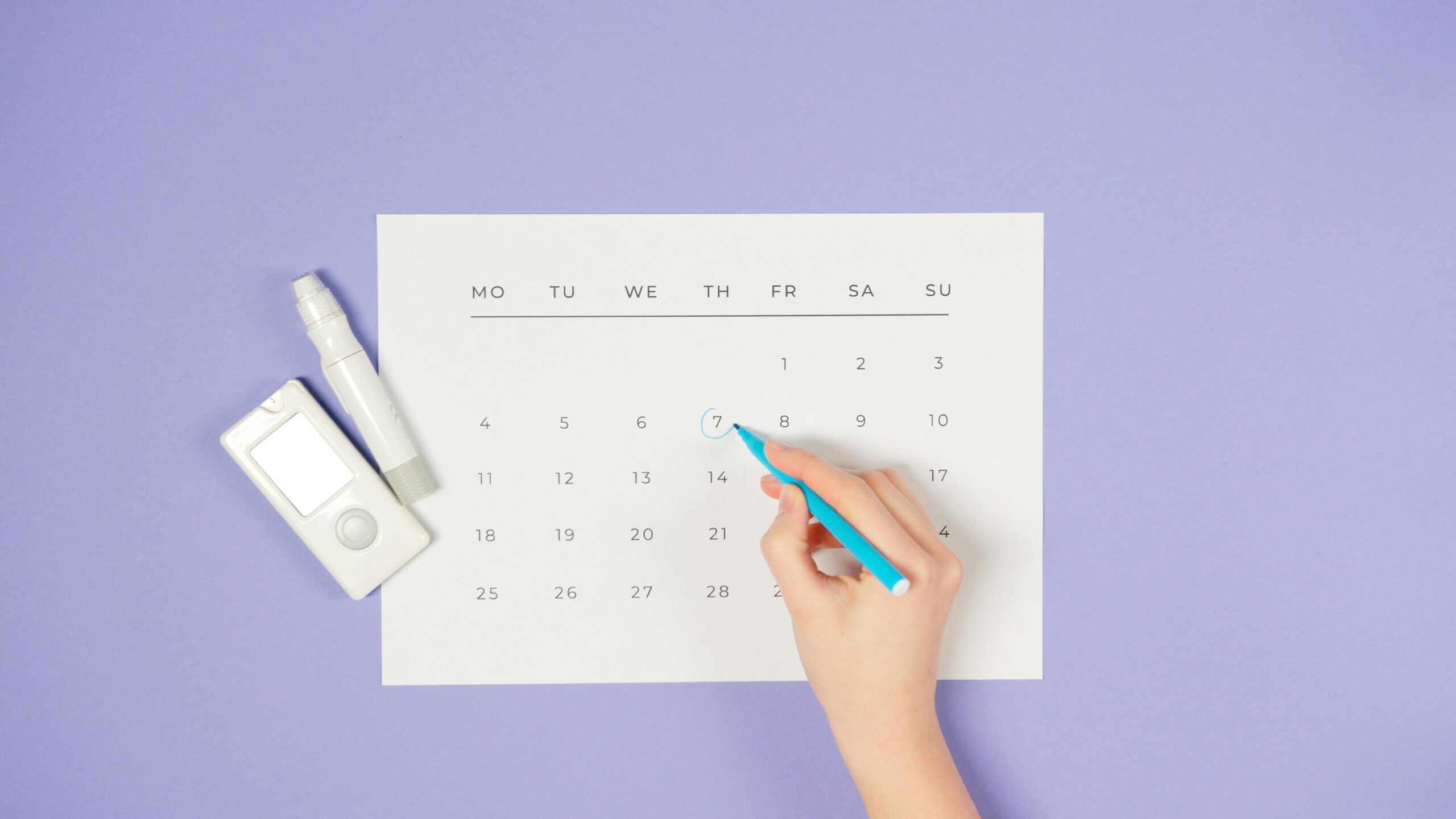
Create a simple calendar where you mark each day you complete any micro-workout, regardless of duration. Visual progress is motivating. Aim for consistency rather than intensity—four short sessions weekly beats one grueling hour that leaves you too sore to move for days.
💡 Overcoming Common Obstacles
Everyone faces barriers to consistent exercise. Anticipating these challenges and having solutions ready increases your success rate.
When you’re feeling too tired, remember that movement creates energy. Start with just one minute of gentle stretching. When you’re too busy, recognize that three minutes is better than zero—perfection isn’t the goal. When you lack privacy, choose silent, discreet exercises that don’t draw attention.
On days when motivation disappears entirely, focus solely on maintaining your streak. Do the absolute minimum to count it as done. Protecting consistency during low motivation periods prevents you from starting over repeatedly.
🌟 The Compound Benefits Beyond Fitness
Regular micro-workouts deliver advantages that extend far beyond physical fitness. Mental clarity improves significantly—brief movement breaks enhance focus, creativity, and problem-solving abilities. Many people report breakthrough ideas occurring during or immediately after short exercise sessions.
Stress management becomes easier as physical movement provides a healthy outlet for tension and triggers endorphin release. Even two minutes of intentional movement can shift your emotional state from overwhelmed to capable.
Energy levels throughout the day become more stable. Rather than relying on caffeine for afternoon slumps, a quick movement snack can naturally boost alertness and productivity.
Sleep quality often improves as regular daily movement helps regulate circadian rhythms and reduces the physical restlessness that disrupts sleep.
🚀 Your Next Steps to Transformation
Starting today is simpler than you think. Choose just one micro-workout from this article—perhaps wall push-ups or glute bridges. Perform this single exercise once today, right now if possible. This immediate action creates momentum.
Tomorrow, repeat that same exercise and consider adding one more. Build gradually, focusing on consistency over complexity. Within two weeks, you’ll have established multiple movement touchpoints throughout your day, transforming your space and schedule into a personalized fitness routine.
The spaces you inhabit already contain everything needed for meaningful fitness progress. Your living room, office, bedroom, and even bathroom can support your health goals through strategic micro-workouts. No equipment required, no special attire necessary, and no significant time commitment needed.
Low-impact doesn’t mean low results. These gentle movements protect your joints while building strength, improving flexibility, and enhancing cardiovascular health. Most importantly, they’re sustainable—a fitness approach you can maintain for life, not just a few motivated weeks.
The transformation begins not with a perfect plan or ideal circumstances, but with a single decision to move your body for just a few minutes today. Your space is ready. Your body is waiting. The only question remaining is: will you start now? 💪