
Being an active parent doesn’t mean putting your fitness goals on hold. With the right approach, your daily stroller walks can transform into effective step count workouts that benefit both you and your little one.

Pushing a stroller adds resistance to your walk, burning more calories while keeping your child entertained. This guide will show you how to maximize those stroller miles with practical plans that fit seamlessly into your parenting routine, turning everyday errands into meaningful fitness opportunities.
🚶♀️ Why Stroller Fitness Makes Perfect Sense for Modern Parents
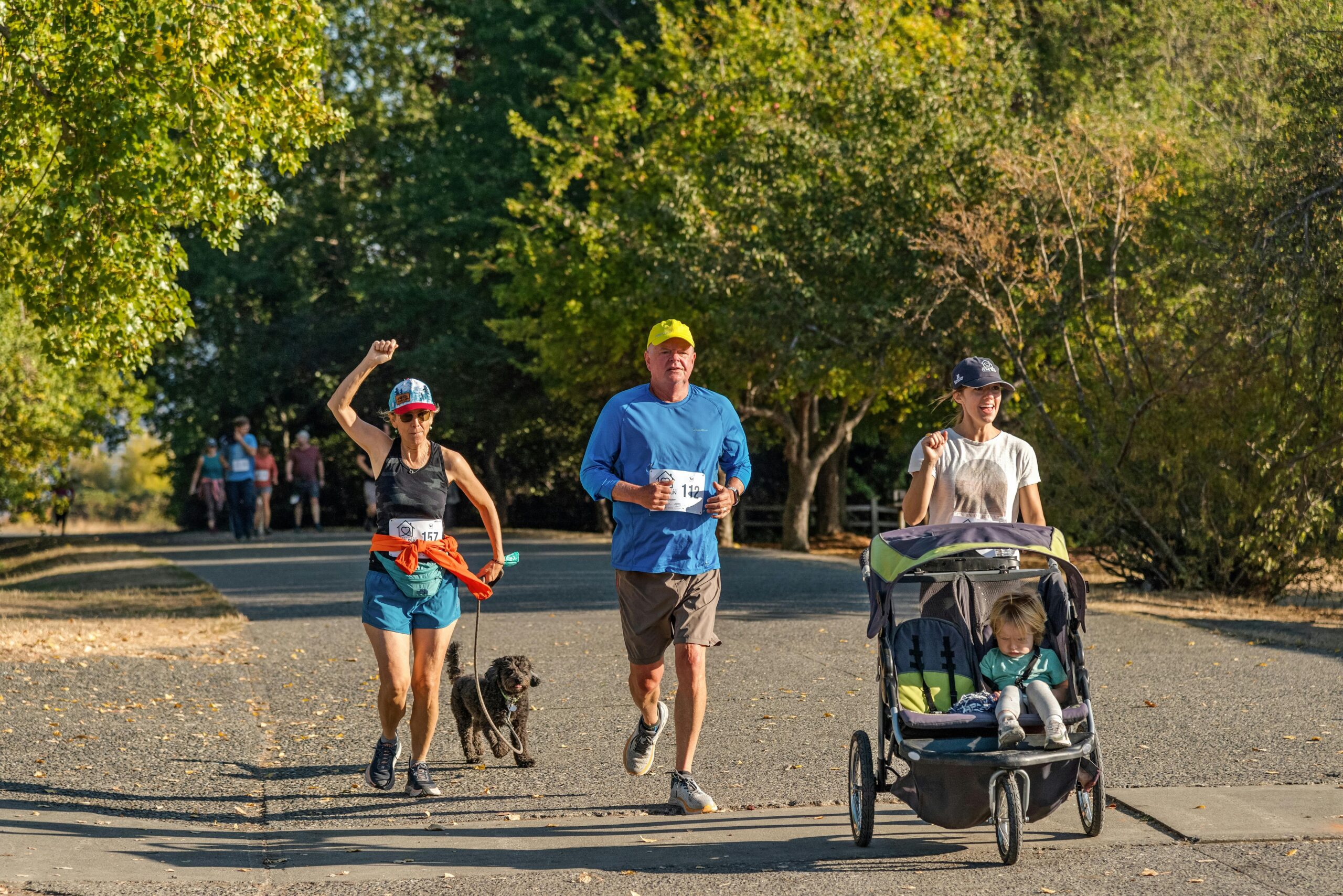
The beauty of stroller-based step counting lies in its convenience and practicality. Unlike gym memberships that require childcare arrangements, stroller walks integrate seamlessly into your daily routine. You’re already taking your child out for fresh air, so why not make those moments count toward your fitness goals?
Research shows that pushing a stroller can increase calorie burn by 18-20% compared to walking alone. The added resistance strengthens your arms, core, and legs while improving cardiovascular health. Plus, the rhythmic motion often soothes fussy babies, making it a win-win situation for everyone involved.
Many parents struggle to find dedicated workout time, but stroller fitness eliminates this barrier. Whether you’re walking to the park, running errands, or simply exploring your neighborhood, each step contributes to your daily activity goals while providing valuable outdoor time for your child.
📊 Understanding Your Step Count Goals with a Stroller
The standard recommendation of 10,000 steps per day remains a solid target, but stroller walking requires a slightly different perspective. Due to the increased resistance and effort involved, your stroller steps carry more weight—literally and figuratively—than regular walking steps.
Consider adjusting your targets based on your current fitness level. Beginners might start with 5,000-6,000 stroller steps daily, while experienced walkers can aim for 8,000-12,000 steps. Remember that quality matters as much as quantity when you’re pushing additional weight.
Calculating Your Personalized Step Goals
Start by tracking your baseline activity for one week without changing your routine. This establishes your starting point and helps you set realistic, achievable goals. Use a fitness tracker or smartphone app to monitor your daily steps automatically.
Once you know your baseline, increase your target by 500-1,000 steps weekly. This gradual progression prevents burnout and reduces injury risk while building sustainable habits. Within 8-10 weeks, you’ll likely reach your desired step count goal.
🗓️ The Beginner’s Stroller Step Plan: Building Your Foundation
If you’re new to structured walking or recently postpartum, this four-week plan provides a gentle introduction to stroller fitness. Always consult your healthcare provider before starting any exercise program, especially after giving birth.
Week 1-2: Establishing the Habit
Focus on consistency rather than intensity during your first two weeks. Aim for 15-20 minute walks, three to four times weekly. Don’t worry about speed or distance—simply get comfortable maneuvering your stroller and developing a routine that works with your baby’s schedule.
Target approximately 2,000-3,000 steps per session during these foundational weeks. Pay attention to your posture: keep shoulders relaxed, engage your core, and maintain a firm but not white-knuckled grip on the stroller handlebar.
Week 3-4: Increasing Duration and Frequency
Gradually extend your walks to 25-30 minutes and increase frequency to five days weekly. Your target should reach 3,500-4,500 steps per session. Begin exploring different routes to keep things interesting and challenge your body with varied terrain.
Introduce slight inclines if available in your area. Hills provide excellent resistance training and accelerate fitness gains. However, ensure your stroller has proper braking mechanisms before tackling steep grades.
💪 The Intermediate Stroller Step Plan: Leveling Up Your Walks
Once you’ve built a solid foundation, this intermediate plan pushes your fitness to new heights while maintaining stroller-friendly practicality. This six-week program targets 7,000-10,000 steps daily through strategic walk scheduling.
Strategic Morning Power Walks
Schedule your longest walk of the day in the morning when energy levels peak. Aim for 45-60 minute sessions covering 5,000-6,000 steps. This becomes your anchor workout—the non-negotiable fitness appointment that sets a positive tone for your entire day.
Morning walks often align perfectly with baby’s first nap or post-breakfast contentment window. Pack snacks, water, and entertainment items to extend your walking window without stress or meltdowns.
Afternoon Step-Boosting Mini Sessions
Supplement your morning walk with 15-20 minute afternoon stroller outings. These shorter sessions add 2,000-3,000 steps to your daily total while providing your child with fresh air and yourself with an energy boost during the typical afternoon slump.
Use these mini-sessions for purposeful errands—walking to the mailbox, visiting a nearby café, or meeting friends at the park. Multi-tasking makes fitness feel less like a chore and more like practical life management.
Incorporating Interval Training
Add variety and intensity by incorporating intervals into two weekly walks. Alternate between 2-3 minutes of brisk walking and 1-2 minutes of moderate pace. This approach improves cardiovascular fitness and increases calorie burn without requiring more time.
Intervals also keep your walks mentally engaging. Use landmarks as interval markers—walk briskly to the next streetlight, then recover to the mailbox, and repeat. This game-like approach makes time pass quickly.
🏃♀️ The Advanced Stroller Step Plan: Maximum Movement for Ambitious Parents
For parents who’ve mastered basic stroller walking and crave greater challenges, this advanced plan targets 12,000-15,000+ steps daily through creative scheduling and intensified workouts.
The Double-Walk Strategy
Split your daily steps into two substantial sessions: a 60-75 minute morning walk (7,000-8,000 steps) and a 45-60 minute afternoon or early evening walk (5,000-6,000 steps). This distribution prevents fatigue while maximizing calorie burn throughout the day.
The double-walk approach works exceptionally well for parents with flexible schedules or those who can coordinate with a partner for childcare tag-teaming. Even on busy days, securing two walking windows maintains your fitness momentum.
Terrain Challenges and Hill Repeats
Seek out hilly routes or trails that add significant resistance to your walks. Hill climbing with a stroller provides strength training benefits comparable to gym workouts while burning substantially more calories than flat-surface walking.
Try hill repeats: find a moderate incline and push your stroller up, then walk back down for recovery. Complete 5-8 repeats during one weekly walk. This high-intensity workout dramatically improves leg strength and cardiovascular capacity.
Speed Walk Intervals
Dedicate two weekly sessions to speed-focused intervals. After a 5-minute warm-up, alternate between 5 minutes of power walking (moving as quickly as safely possible) and 3 minutes of recovery pace. Complete 4-6 rounds per session.
Power walking with a stroller demands excellent form: shorter, quicker steps; engaged core; and powerful arm drive. The stroller becomes both resistance tool and stability aid, allowing you to push harder than you might during regular speed walking.
🎒 Essential Gear and Safety Tips for Step-Counting Success
The right equipment transforms stroller walking from frustrating to fantastic. Invest in a quality jogging stroller if you plan serious mileage—these models feature larger wheels, better suspension, and hand brakes that make pushing easier and safer.
Must-Have Accessories
A good fitness tracker or smartphone with step-counting capability keeps you accountable and motivated. Wrist-worn trackers often prove more convenient than phone-based counting since you won’t need to carry your device constantly.
Comfortable, supportive athletic shoes are non-negotiable. Replace them every 300-500 miles to prevent injury and maintain proper support. Weather-appropriate clothing with moisture-wicking properties keeps you comfortable during longer walks.
Don’t forget sun protection for both you and your child—sunscreen, hats, and stroller sunshades protect against harmful UV rays. A well-stocked stroller organizer holding water bottles, snacks, diapers, and toys prevents mid-walk emergencies that could derail your workout.
Safety Considerations for Active Stroller Walking
Always use your stroller’s safety strap—wear it around your wrist to prevent the stroller from rolling away on inclines. Check wheel locks and brakes before each walk, and inspect tires regularly for proper inflation and wear.
Choose smooth, well-maintained paths whenever possible. Cracked sidewalks, gravel trails, and uneven surfaces increase tip-over risk and make pushing significantly harder. Plan routes in advance, considering traffic patterns, crossings, and bathroom availability.
Stay visible by wearing bright clothing and attaching reflective strips or lights to your stroller during early morning or evening walks. Never assume drivers see you—make eye contact at intersections and use crosswalks exclusively.
📱 Tracking Progress and Staying Motivated
Consistent tracking transforms abstract goals into concrete achievements. Beyond simple step counting, monitor additional metrics like total distance, active minutes, and weekly averages to gain comprehensive insight into your fitness journey.
Creating Accountability Systems
Share your goals with fellow parent friends and create informal walking groups. Social accountability significantly increases adherence to exercise programs while providing valuable social connection that many new parents desperately need.
Join online communities focused on stroller fitness or parent exercise challenges. Virtual support networks offer encouragement, tips, and motivation during difficult days when getting out the door feels impossible.
Reward milestone achievements with non-food treats—new workout gear, a massage, or a favorite book. Celebrating progress reinforces positive behavior and maintains long-term motivation.
Adjusting Plans for Real Life
Perfection isn’t the goal—consistency is. Some days your baby will refuse the stroller, weather won’t cooperate, or unexpected obligations will interfere with your walking plans. Build flexibility into your approach and avoid all-or-nothing thinking.
On challenging days, even 10 minutes of walking counts. Short sessions maintain your habit while accommodating life’s inevitable disruptions. Miss a day? Simply resume your plan the next day without guilt or self-criticism.
🌟 Maximizing Benefits Beyond Step Counts
While step counting provides measurable structure, remember that stroller walks offer benefits far beyond numbers. These outings provide crucial outdoor time for your child, exposing them to nature, fresh air, and new stimuli that support cognitive development.
Use walking time for mindfulness practice—focus on your surroundings, practice gratitude, or simply enjoy child-free mental space while your little one naps. This mental health component proves equally important as physical fitness for overall parenting wellness.
Stroller walks naturally connect you with your community. Regular routes lead to friendly interactions with neighbors, discovery of local resources, and a stronger sense of belonging that combats the isolation many new parents experience.
🎯 Adapting Your Plan as Your Child Grows
Your stroller fitness journey evolves alongside your child’s development. Newborns might sleep through entire walks, while curious toddlers may demand frequent stops for exploration. Embrace these changes rather than fighting them.
As children grow heavier, your workout intensity naturally increases without any plan modifications. That same 5,000-step route becomes progressively more challenging as your 10-pound infant becomes a 30-pound toddler.
Eventually, your child will outgrow the stroller entirely. By then, you’ve established powerful walking habits that transition easily into other activities—hiking with a carrier, biking with a trailer, or simply walking while your child pedals alongside on a balance bike.
🌈 Making It Sustainable for the Long Haul
The most effective fitness plan is one you’ll actually maintain long-term. Stroller walking succeeds because it integrates seamlessly into necessary daily activities rather than requiring separate time allocation that busy parents struggle to find.
Focus on building the walking habit first, then worry about optimizing intensity and duration. Once stroller walks become automatic parts of your routine—as natural as brushing your teeth—you’ve achieved true fitness sustainability.
Remember why you started: you want energy to play with your kids, strength to carry them when needed, and longevity to experience their lives fully. Every stroller step moves you closer to becoming the active, present parent you aspire to be. Your commitment to fitness despite parenting challenges demonstrates powerful self-care that benefits your entire family.
Step up your stroll today. Your future self—and your children—will thank you for the investment. 👟