
Becoming a mother transforms every aspect of life, including how you move your body. The postpartum period doesn’t mean putting fitness on hold—it means adapting it to your new reality with baby in tow.

The journey back to strength after childbirth looks different for everyone, but one thing remains constant: movement matters. Whether you’re walking through your neighborhood or doing modified exercises at the park, your stroller can become your most versatile fitness companion. This isn’t about bouncing back; it’s about moving forward with intention, listening to your body, and finding joy in movement that fits your new lifestyle as a mom.
🌟 Why Postpartum Movement Matters More Than You Think
The benefits of postpartum exercise extend far beyond physical appearance. Regular movement helps stabilize mood, combat postpartum depression and anxiety, improve sleep quality, and restore core strength that pregnancy naturally compromises. When you incorporate your baby and stroller into your routine, you’re also modeling healthy habits while getting fresh air for both of you.
Research consistently shows that mothers who engage in regular physical activity report higher energy levels, better mental clarity, and improved confidence during the challenging early months of motherhood. The key is finding sustainable routines that don’t require childcare, expensive gym memberships, or complicated equipment.
Getting Medical Clearance: Your First Step
Before starting any postpartum exercise program, obtaining clearance from your healthcare provider is essential. Most practitioners recommend waiting until your six-week postpartum checkup for vaginal deliveries, though gentle walking can typically begin much earlier. If you had a cesarean section, complications during delivery, or significant tearing, you may need additional healing time.
Your doctor will assess your pelvic floor recovery, check for diastasis recti (abdominal separation), and ensure your body is ready for progressive exercise. This conversation is crucial—pushing too hard too soon can lead to setbacks including pelvic organ prolapse, worsening abdominal separation, or delayed healing.
🚼 Choosing the Right Stroller for Your Movement Goals
Not all strollers support fitness activities equally. If you plan to make stroller workouts a regular part of your routine, consider these features when selecting or evaluating your current stroller:
- Fixed front wheel or lockable swivel wheel for stability during faster movement
- Robust suspension system to absorb impact and keep baby comfortable
- Hand brake for downhill control during walks or jogs
- Adjustable handlebar height to maintain proper posture
- Five-point harness system to keep baby secure
- Storage space for water, snacks, and diaper essentials
Remember that most pediatricians recommend waiting until baby is at least six months old before jogging with a stroller, as newborns lack the neck strength to handle the bouncing motion. For the early postpartum months, focus on walking routines with a standard stroller.
Starting Slow: The First Six Weeks
Those initial weeks postpartum are about gentle recovery, not intense training. Short walks around your neighborhood—starting with just 5 to 10 minutes—help circulation, reduce swelling, and provide mental health benefits without overtaxing your healing body. Listen closely to what your body tells you during this time.
Focus on posture as you push the stroller: shoulders back, core gently engaged, and arms relaxed. Avoid gripping the handlebar too tightly, which creates unnecessary upper body tension. These walks aren’t about speed or distance; they’re about moving your body, getting fresh air, and establishing a routine that will serve as your foundation.
💪 Building Your Core Foundation: Weeks 6-12
Once you receive medical clearance, you can begin incorporating intentional exercises into your stroller walks. This phase focuses on rebuilding core strength, improving posture, and reconnecting with your body after pregnancy’s dramatic changes.
Pelvic Floor Reconnection
Your pelvic floor underwent significant stress during pregnancy and delivery. Before progressing to more intense exercise, spend time doing pelvic floor exercises (Kegels) throughout the day. You can practice these while pushing the stroller, waiting at traffic lights, or during feeding sessions.
A functional pelvic floor is essential for preventing incontinence, supporting your organs, and enabling you to progress safely to higher-impact activities. If you experience leaking, heaviness, or pain, consult a pelvic floor physical therapist before continuing.
Stroller-Friendly Core Work
During your walks, pause at parks or quiet spots for these exercises using your stroller for support:
- Stroller Squats: Face the stroller with hands on the handlebar. Lower into a squat, keeping knees behind toes and chest lifted. Start with 10 repetitions.
- Standing Pelvic Tilts: With hands on stroller, tilt pelvis forward and back, engaging deep abdominal muscles. Perform 15 slow repetitions.
- Calf Raises: Hold the stroller for balance and rise onto toes, then lower slowly. Complete 15-20 repetitions.
- Stroller Lunges: With one hand on stroller, step forward into a lunge. Alternate legs for 10 repetitions each side.
These exercises rebuild functional strength without requiring equipment or gym access. Perform them 2-3 times weekly, gradually increasing repetitions as you grow stronger.
Creating Your Stroller Workout Routine
By three months postpartum (with medical clearance), many mothers are ready for structured stroller workout routines. These sessions combine cardiovascular activity with strength training, all while keeping baby close and content.
The Basic 30-Minute Stroller Circuit
This circuit alternates walking intervals with strength exercises, creating an effective full-body workout:
- Warm-up: 5 minutes easy-pace walking
- Brisk walk: 3 minutes at a challenging but conversational pace
- Exercise stop: Stroller squats (15 reps) + standing side leg lifts (10 each side)
- Brisk walk: 3 minutes
- Exercise stop: Stroller lunges (10 each leg) + calf raises (20 reps)
- Brisk walk: 3 minutes
- Exercise stop: Modified push-ups against a bench (10 reps) + tricep dips (10 reps)
- Brisk walk: 3 minutes
- Cool down: 5 minutes easy walking with gentle stretching
Adjust the intensity and duration based on your fitness level and how you feel each day. Some days will feel easier than others, especially when navigating sleep deprivation and feeding schedules.
🏃♀️ Progressing to Stroller Running
If running was part of your pre-pregnancy routine, you might be eager to return to it. However, running postpartum requires patience and proper progression to avoid injury. Beyond medical clearance, ensure you can walk briskly for 30-45 minutes without pain, perform 20 single-leg squats per side, and have no pelvic floor symptoms like leaking or heaviness.
The Walk-to-Run Transition
Begin with a walk-run program that gradually increases running intervals over several weeks. Start with just 1-2 minutes of easy jogging alternated with 3-4 minutes of walking, repeated for 20-30 minutes total. Increase running intervals by no more than 10% weekly.
Pay attention to warning signs that you’re progressing too quickly: pelvic pain, increased bleeding, severe fatigue, or pelvic floor symptoms. These signals indicate your body needs more recovery time before handling the impact of running.
Making It Work with Real Life
The biggest challenge isn’t knowing what exercises to do—it’s actually getting out the door consistently. Here are practical strategies that help real moms maintain stroller fitness routines:
Timing Your Workouts Strategically
Identify when your baby is typically most content. Many infants love morning stroller rides, making early workouts ideal. Others settle better after a feeding. Experiment to find your sweet spot, then protect that time as your movement window.
Prep the Night Before
Lay out your workout clothes, pack the stroller bag with essentials (diapers, wipes, extra clothes, snacks, water for you), and have everything by the door. Eliminating morning decisions removes barriers to getting started.
Embrace Imperfection
Some days, baby will fuss and you’ll only manage 10 minutes. Other days, you’ll hit your full routine with energy to spare. Both days count as wins. Consistency over time matters more than any single perfect workout.
📱 Tracking Progress and Staying Motivated
Monitoring your progress helps maintain motivation during the gradual postpartum fitness journey. Simple tracking methods include:
- Noting weekly mileage or workout frequency in a calendar or journal
- Taking monthly progress photos to see subtle changes
- Recording how you feel mentally and physically after workouts
- Setting process goals (workout 3x weekly) rather than outcome goals (lose X pounds)
Many mothers find community support invaluable. Look for local stroller fitness groups, online postpartum fitness communities, or even one walking buddy who understands the unique challenges of exercising with a baby.
🌤️ Weather Solutions for Year-Round Movement
Committing to stroller workouts means adapting to various weather conditions. Don’t let less-than-perfect weather derail your routine entirely.
Hot Weather Strategies
Exercise during cooler morning or evening hours. Use a stroller fan, sunshade, and ensure proper ventilation. Dress baby in light layers, offer frequent feeds for hydration, and shorten your workout duration during heat waves. Always check baby regularly for signs of overheating.
Cold Weather Adaptations
Bundle baby in appropriate layers with a stroller weather shield or cover, but avoid overheating. Dress yourself in moisture-wicking layers you can adjust. Keep workouts shorter during extreme cold, and watch for wind chill factors that make outdoor exercise unsafe.
Rainy Day Alternatives
Some light rain won’t hurt with proper stroller coverage, but heavy storms call for indoor alternatives. Mall walking with the stroller, indoor track facilities, or at-home bodyweight workouts while baby plays nearby keep your routine consistent.
Nutrition to Fuel Your Active Lifestyle
Movement demands fuel, especially if you’re breastfeeding. Postpartum is not the time for restrictive dieting. Focus instead on nourishing your body with adequate calories, protein for muscle recovery, complex carbohydrates for energy, and healthy fats for hormone production and satiety.
Hydration becomes even more critical when combining exercise with breastfeeding. Carry water on every stroller outing and drink before you feel thirsty. A good rule of thumb: drink half your body weight in ounces daily, plus extra for activity and nursing.
🧘♀️ Balancing Intensity with Recovery
Your body is already working hard to recover from pregnancy, adapt to breastfeeding, and function on interrupted sleep. Adding exercise creates additional stress that requires adequate recovery. Build rest days into your routine, prioritize sleep when possible, and scale back intensity if you feel persistently exhausted or notice decreased milk supply.
Active recovery days—gentle walks without exercise stops, stretching sessions, or mobility work—support your body while maintaining your routine habit. These lighter days are still valuable, providing mental health benefits and maintaining consistency without adding excessive physical stress.
When to Seek Professional Help
Certain symptoms during postpartum exercise warrant professional evaluation from a pelvic floor physical therapist or your healthcare provider:
- Urinary or fecal leaking during or after exercise
- Pelvic heaviness or pressure, especially at day’s end
- Persistent abdominal doming or visible separation with movement
- Lower back or pelvic pain that worsens with activity
- Bleeding that increases with exercise
These issues are common but not normal, and they respond well to targeted treatment. Working with a specialist ensures you address problems early rather than developing chronic issues that impact long-term function and fitness.
Finding Joy in the Journey
Beyond strength and energy, the greatest benefit of stroller fitness routines is often the simple joy of moving your body while connecting with your baby and the outdoors. These walks and workouts become sacred time—moments when you’re actively caring for yourself while caring for your child.
Notice your baby’s reactions to different environments. Watch their wonder at trees, dogs, or other children. Use this time to practice presence, feeling your body move through space, breathing fresh air, and appreciating what your body can do rather than fixating on what it once was or what you think it should be.
The postpartum period is intense, exhausting, and transformative. Movement provides an anchor—a reliable practice that supports your physical recovery, mental well-being, and sense of identity beyond motherhood. Your stroller workout isn’t just exercise; it’s self-care, stress relief, and a declaration that your health matters too.
🎯 Your First Week Action Plan
Feeling motivated but unsure where to start? Here’s a simple first-week plan to build momentum:
- Day 1: 10-minute gentle walk, focus on posture and breathing
- Day 2: Rest or gentle stretching at home
- Day 3: 15-minute walk with 2 exercise stops (squats and calf raises)
- Day 4: Rest or 10-minute easy walk
- Day 5: 20-minute walk with varied pace (2 minutes brisk, 2 minutes easy)
- Day 6: 15-minute walk with 3 exercise stops
- Day 7: Rest, reflect on the week, plan next week’s goals
This gentle introduction establishes the habit without overwhelming your recovering body or disrupting baby’s routine. From here, gradually increase duration, add exercise variety, and build intensity as you grow stronger.
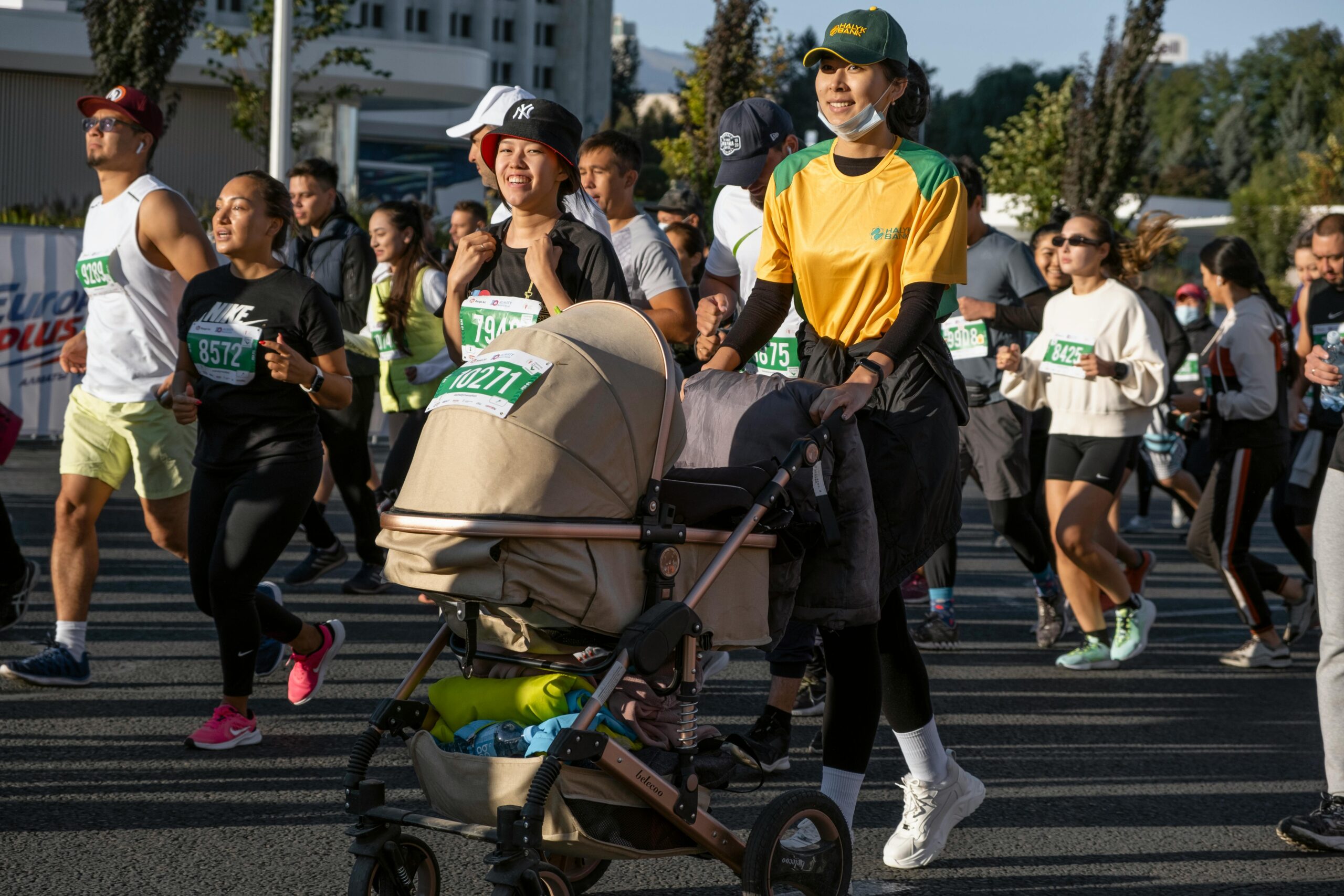
Reclaiming Your Strength, One Step at a Time
Postpartum movement doesn’t require perfection, expensive equipment, or hours away from your baby. It requires only willingness to start, patience with your changing body, and commitment to showing up consistently—even when workouts are shorter or easier than planned.
Your stroller is more than baby transportation; it’s your portable gym, your meditation space, and your connection to a healthier, stronger version of yourself. Each walk builds physical strength and mental resilience. Each exercise reminds you that you’re still you—a woman with goals, needs, and the power to prioritize your wellbeing alongside your baby’s.
The journey back to strength isn’t about erasing pregnancy or rushing recovery. It’s about honoring where you are, moving with intention, and finding joy in what your body can do right now. So grab that stroller, step outside, and reclaim your strength one stride at a time. Your body, mind, and baby will thank you for it.