
In today’s fast-paced world, staying organized and productive can feel like an uphill battle. Between work commitments, personal goals, and daily responsibilities, keeping track of everything without a proper system often leads to stress and missed opportunities.

The solution lies in creating a structured approach to your weekly routine. By implementing a comprehensive habit tracker and schedule template, you can transform chaos into clarity, ensuring that your time is spent on what truly matters. This strategic approach not only boosts your productivity but also brings a sense of control and accomplishment to your everyday life.
🎯 Why Weekly Planning Outperforms Daily Planning
While daily planning has its merits, weekly planning offers a broader perspective that helps you align your tasks with your long-term goals. When you plan your week in advance, you create a roadmap that accounts for recurring responsibilities, unexpected challenges, and opportunities for growth.
Weekly planning allows you to distribute your workload more evenly, preventing the burnout that comes from overcommitting on certain days. You can visualize your entire week at a glance, making it easier to identify time blocks for deep work, meetings, self-care, and personal development. This bird’s-eye view helps you maintain balance and ensures that no important area of your life gets neglected.
Additionally, weekly reviews become a powerful tool for continuous improvement. By reflecting on what worked and what didn’t at the end of each week, you develop a better understanding of your productivity patterns and can make informed adjustments to your schedule template.
📊 The Essential Components of an Effective Weekly Tracker
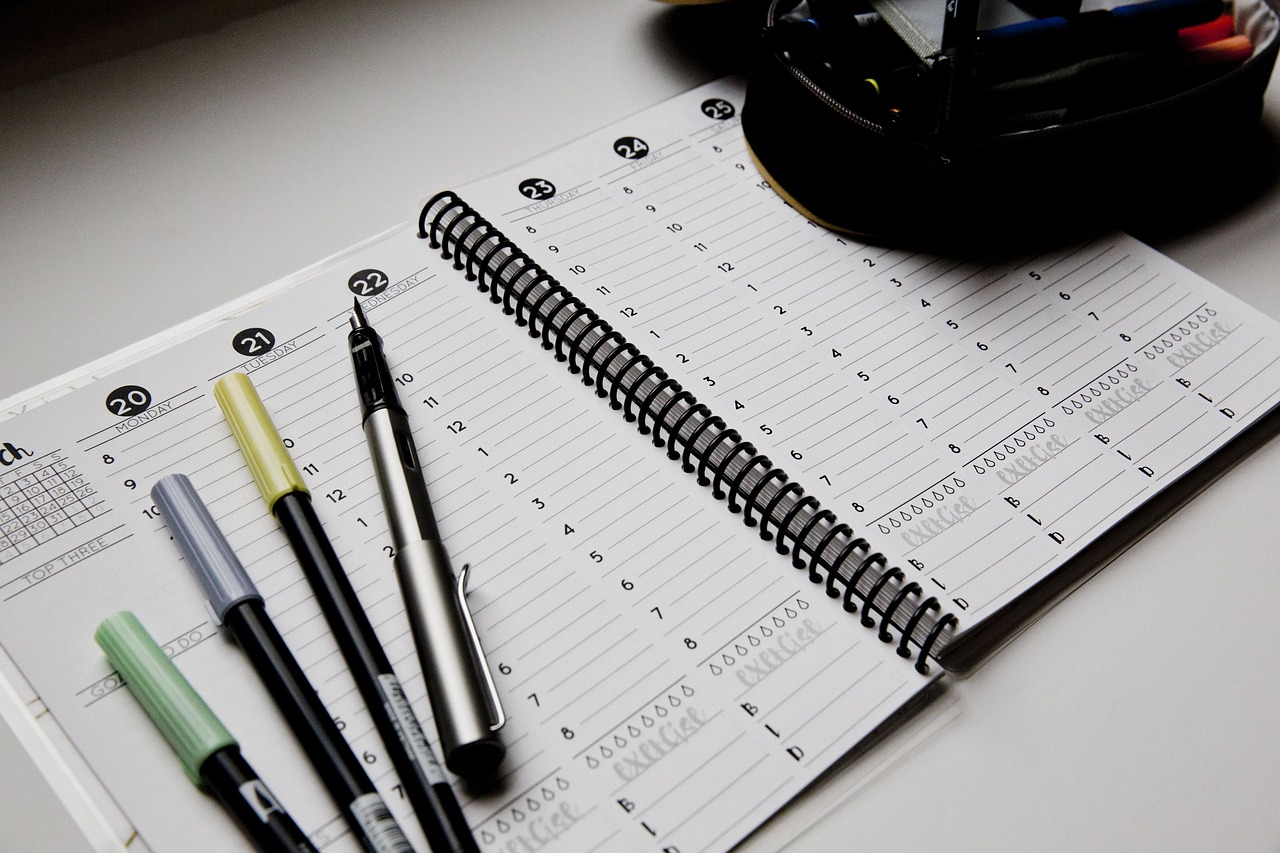
A comprehensive weekly habit tracker and schedule template should include several key elements that work together to create a seamless organizational system. Understanding these components helps you customize a template that fits your unique lifestyle and goals.
Time Blocking Sections
Time blocking is the practice of dedicating specific time slots to particular activities or task categories. Your template should include hourly divisions for each day of the week, allowing you to assign focused work periods, meetings, breaks, and personal time. This visual representation of your day helps prevent overbooking and ensures that priority tasks receive adequate attention.
The beauty of time blocking lies in its flexibility. You can create themed days where specific types of work dominate, or you can maintain a consistent daily structure that builds routine and predictability into your week.
Habit Tracking Grid
A habit tracking grid is essential for monitoring the behaviors that contribute to your long-term success. This section should list your target habits vertically and the days of the week horizontally, creating a grid where you can mark each day you complete a habit with a checkmark, dot, or color coding.
This visual progress indicator provides immediate feedback and motivation. Seeing a growing chain of completed days creates psychological momentum that makes you less likely to break your streak. The act of marking off completed habits also provides a small dopamine boost that reinforces the behavior.
Priority Task Lists
Your weekly template should include space for identifying your top three to five priority tasks for the week. These are your non-negotiables—the tasks that, if completed, would make the week successful regardless of what else happens. By identifying these priorities upfront, you ensure that your time blocking reflects what truly matters.
Each day should also have space for a shorter daily priority list, typically limited to three main tasks. This prevents overwhelm and helps you maintain focus on high-impact activities rather than getting lost in busywork.
Goal Tracking Section
Beyond daily habits and tasks, your template should include a section for tracking progress toward larger weekly and monthly goals. This might include metrics like pages written, miles run, sales calls made, or any other quantifiable measure of progress toward your objectives.
This section connects your daily actions to your bigger picture, providing context and meaning to the smaller tasks that fill your schedule. It answers the crucial question: “Why am I doing this?”
✨ Designing Your Perfect Weekly Schedule Template
Creating a schedule template that works for your lifestyle requires thoughtful consideration of your energy patterns, commitments, and goals. The most effective templates are those that accommodate your natural rhythms while providing enough structure to keep you on track.
Assessing Your Energy Patterns
Before designing your template, spend a few days noticing when you feel most alert, creative, and focused. These high-energy periods are ideal for your most demanding tasks—deep work, creative projects, and strategic thinking. Lower energy periods can be reserved for routine tasks, administrative work, and meetings that don’t require peak mental performance.
Your template should reflect these energy patterns, scheduling your priority tasks during your peak performance windows. This biological approach to time management significantly increases your productivity without requiring additional effort or willpower.
Building in Buffer Time
One of the biggest mistakes in schedule design is creating a template with no breathing room. Every day should include buffer zones—unscheduled time that can absorb unexpected tasks, delays, or simply give you mental space to transition between activities.
A good rule of thumb is to schedule only 60-70% of your available time, leaving 30-40% for buffers, breaks, and flexible response to opportunities or challenges that arise. This prevents the cascade effect where one delay throws off your entire day.
Incorporating Weekly Review Time
Your template should designate a specific time for weekly review and planning, typically at the end of the week or the beginning of the next one. This 30-60 minute session is where you reflect on the past week, celebrate wins, identify improvements, and plan the week ahead.
This consistent review practice transforms your template from a static tool into a dynamic system that evolves with your needs and continuously improves your productivity.
🚀 Implementing Your Habit Tracker for Maximum Impact
Having a well-designed habit tracker is only half the battle; consistent implementation is what delivers results. The key is starting small, building gradually, and creating systems that support your success.
The Power of Starting Small
When beginning with a new habit tracking system, resist the temptation to track too many habits at once. Start with three to five key habits that have the highest impact on your goals. Once these become automatic, you can add new habits to your tracker.
Common high-impact habits include morning routines, exercise, hydration, reading, meditation, and creative work. Choose habits that align with your personal values and long-term objectives rather than what you think you “should” be doing.
Creating Environmental Triggers
To increase your habit completion rate, design your environment to support your desired behaviors. Place your habit tracker in a visible location where you’ll see it multiple times throughout the day. Pair new habits with existing routines through habit stacking—linking a new behavior to an established one.
For example, if you want to track daily gratitude practice, you might stack it with your morning coffee: “After I pour my coffee, I will write three things I’m grateful for.” This connection to an existing habit creates a natural trigger that doesn’t rely solely on willpower.
Dealing with Broken Streaks
Inevitably, you’ll miss days in your habit tracking. The key is to never miss twice in a row. One missed day is a slip; two consecutive missed days is the beginning of a new pattern. Your tracking system should acknowledge missed days without judgment while encouraging immediate return to the habit.
Consider implementing a “grace period” rule where one missed day per week doesn’t break your streak, providing flexibility for life’s unpredictability while maintaining momentum.
📱 Digital vs. Paper: Choosing Your Medium
The debate between digital and paper-based tracking systems has valid arguments on both sides. The best choice depends on your preferences, lifestyle, and specific needs.
Benefits of Digital Tracking
Digital habit trackers and schedule templates offer convenience, accessibility, and often include features like automatic reminders, data visualization, and cloud syncing across devices. You can access your tracker anywhere, and many apps provide analytics that reveal patterns in your behavior over time.
Digital solutions also eliminate the need to recreate your template each week—you simply reset your tracking and continue. Some popular options include dedicated habit tracking apps, digital planners, and spreadsheet templates.
The Case for Paper Tracking
Despite the digital age, many productivity enthusiasts swear by paper-based systems. The physical act of writing engages your brain differently than typing, improving memory and commitment. Paper trackers provide a tactile satisfaction that digital checkboxes can’t replicate, and they eliminate digital distractions that often derail your focus.
Paper systems also offer complete customization—you can design exactly what you need without being constrained by app features or templates. The visual appeal of a beautifully designed paper tracker can increase engagement and motivation.
Hybrid Approaches
Many successful planners use a hybrid approach, leveraging the strengths of both mediums. You might use a digital calendar for time blocking and appointments while maintaining a paper habit tracker. Or you could use paper for weekly planning and digital tools for capturing quick tasks and reminders throughout the day.
Experiment with different combinations to discover what feels most natural and sustainable for your workflow.
💡 Advanced Strategies for Sustained Productivity
Once you’ve established your basic tracking and scheduling system, these advanced strategies can take your productivity to the next level.
Theme Days for Deep Work
Consider organizing your week around themed days where you group similar types of work together. For example, Mondays might be dedicated to planning and administrative tasks, Tuesdays and Thursdays for client work or meetings, and Wednesdays and Fridays for creative projects and deep work.
This batching approach reduces context switching, which is one of the biggest drains on productivity. Your brain performs better when it can stay in one mode of thinking for extended periods rather than constantly shifting between different types of tasks.
The Weekly Reset Ritual
Create a comprehensive weekly reset ritual that goes beyond simple planning. This might include reviewing your accomplishments, processing loose papers and digital inboxes, updating your systems, and setting intentions for the week ahead. This ritual creates a clean slate each week and prevents the accumulation of organizational debt.
Your reset ritual might also include preparing your environment—cleaning your workspace, meal prepping, laying out workout clothes, or any other preparation that removes friction from your desired habits and tasks.
Progress Over Perfection
Remember that the goal of your tracking system is progress, not perfection. Some weeks will be more productive than others, and that’s perfectly normal. The value lies in the consistent practice of planning, tracking, and reviewing—not in achieving 100% completion every single week.
Use your tracker to identify trends and patterns rather than as a tool for self-criticism. If you consistently fail to complete certain habits or tasks, that’s valuable data suggesting you need to either adjust your schedule, reduce your commitments, or reconsider whether that habit truly aligns with your priorities.
🎨 Customizing Your Template for Different Life Seasons
Your ideal schedule template will evolve as your life circumstances change. What works during a focused work sprint won’t necessarily work during vacation season or periods of personal transition.
Build flexibility into your system by creating multiple template versions for different life seasons. You might have a standard work week template, a travel template with simplified tracking, a vacation template focused on rest and specific leisure goals, and an intensive project template for periods requiring extra focus.
This seasonal approach prevents the all-or-nothing thinking that causes people to abandon their systems entirely when life circumstances change. Instead of giving up when your regular template doesn’t fit, you simply switch to the appropriate version for your current season.
🌟 Measuring Success Beyond Completion Rates
While completion rates and crossed-off tasks provide satisfaction, true productivity success extends beyond these surface metrics. Your tracking system should help you measure what matters most to your overall well-being and long-term success.
Consider tracking qualitative measures alongside quantitative ones. How did you feel during your most productive days? What environmental or schedule factors contributed to your best work? Which habits provided the most noticeable benefits to your energy and mood?
Include reflection prompts in your weekly review that assess satisfaction, energy levels, stress, and progress toward meaningful goals. These subjective measures often reveal more about your productivity system’s effectiveness than simple completion percentages.
🔄 Making Your System Sustainable Long-Term
The ultimate measure of any productivity system is whether you’re still using it six months or a year from now. Sustainability requires building practices that feel rewarding rather than punishing, and creating systems that adapt as your needs evolve.
Schedule regular system reviews—monthly or quarterly—where you step back and evaluate your entire tracking and scheduling approach. What’s working well? What feels like unnecessary overhead? What new needs have emerged that your current system doesn’t address?
Be willing to simplify when necessary. Sometimes productivity systems become so elaborate that maintaining them consumes more time than they save. The best system is the one you’ll actually use consistently, even if it’s simpler than the “ideal” setup you’ve imagined.
Build in celebration and reward. When you complete a week successfully or maintain a habit streak, acknowledge that accomplishment in a meaningful way. This positive reinforcement makes your system something to look forward to rather than another obligation on your plate.
🎯 Your Next Steps Toward Effortless Organization
Transforming your productivity through weekly habit tracking and scheduling doesn’t happen overnight, but the journey begins with a single step. Start by downloading or creating a simple weekly template that includes the core components: time blocking sections, a habit tracking grid, and space for priorities and reflection.
Commit to using this template for at least four weeks—long enough to move past the initial novelty and discover how the system works in various circumstances. During this trial period, pay attention to what energizes you and what feels like friction. Make small adjustments each week rather than completely overhauling your approach.
Remember that the perfect system is the one that works for your unique life, goals, and preferences. Use the principles and strategies outlined here as a starting point, but don’t hesitate to customize and adapt based on your experience. The most powerful productivity tool isn’t a specific template or app—it’s your willingness to consistently show up, track your progress, and refine your approach.
Your organized, productive life is within reach. With a well-designed weekly habit tracker and schedule template, you’ll transform scattered efforts into focused progress, replacing stress with clarity and helping you achieve what truly matters. The time to start is now—your future self will thank you for the investment you make today in creating systems that support your success.