
Modern life demands constant movement, yet we find ourselves stuck in static positions for hours. Poor posture and limited mobility aren’t just uncomfortable—they’re sabotaging your health, energy, and long-term wellness in ways you might not even realize.

The good news? You don’t need hour-long gym sessions or expensive equipment to reverse the damage. Micro-workouts—short, targeted movement sessions lasting just 2-10 minutes—can dramatically improve your posture and mobility when strategically placed throughout your day. These quick bursts of intentional movement work with your busy schedule, not against it, creating sustainable change that transforms how your body feels and functions.
🎯 Why Micro-Workouts Are Perfect for Posture and Mobility
Traditional workout wisdom suggests you need lengthy sessions to see real results. However, when it comes to posture correction and mobility enhancement, frequency often trumps duration. Your body responds remarkably well to consistent, short movement interventions that counteract prolonged sitting and repetitive positions.
Micro-workouts for posture and mobility work because they address the root cause of most musculoskeletal problems: sustained positions that create adaptive shortening in some muscles while weakening others. By interrupting these patterns every hour or two with targeted movements, you prevent the chronic tightness and weakness that lead to poor posture, pain, and restricted movement.
Research shows that breaking up sedentary time with brief activity bursts improves circulation, reduces muscle tension, and enhances joint lubrication. These physiological benefits accumulate throughout the day, creating improvements that a single long workout session can’t match. Your tissues respond to the consistent stimulus, gradually adapting to better alignment and increased range of motion.
The Science Behind Quick Movement Breaks
Your nervous system plays a crucial role in both posture and mobility. When you maintain poor positions for extended periods, your brain essentially “forgets” optimal movement patterns and accepts dysfunction as normal. Micro-workouts serve as frequent reminders, retraining your nervous system to recognize and maintain better alignment.
Each short movement session activates proprioceptors—specialized sensors in your muscles and joints that provide positional feedback to your brain. This heightened body awareness gradually improves your unconscious postural control, so you naturally sit and stand better even when you’re not actively thinking about it.
Additionally, brief exercise bouts stimulate synovial fluid production in your joints. This natural lubricant reduces friction and nourishes cartilage, essential for maintaining healthy, pain-free movement. Unlike extended workouts that can temporarily increase inflammation, micro-workouts provide movement benefits without excessive stress on your tissues.
🚀 Essential Micro-Workouts for Upper Body Posture
Your upper body bears the brunt of modern postural stress. Hours spent hunched over screens, phones, and steering wheels create a predictable pattern of rounded shoulders, forward head position, and thoracic spine stiffness. These three-minute routines target the specific areas that need the most attention.
The Chest Opener and Shoulder Reset
Stand in a doorway or corner with your arms extended at shoulder height against the walls or frame. Step one foot forward and gently lean into the stretch, feeling expansion across your chest and front shoulders. Hold for 30 seconds, breathe deeply, then perform 10 slow shoulder blade squeezes, pulling your shoulder blades together and down away from your ears.
Follow this with arm circles: extend both arms sideways and make small circles backward for 15 repetitions, gradually increasing the size. This simple sequence counters the internal rotation and protraction that dominates most people’s shoulder position throughout the day.
Neck Mobility and Tension Release
Sit or stand with proper alignment. Slowly drop your right ear toward your right shoulder, feeling a stretch along the left side of your neck. Hold for 20 seconds, then repeat on the opposite side. Next, perform gentle chin tucks: pull your chin straight back (not down) as if making a double chin, hold for 5 seconds, and release. Repeat 10 times.
Finish with controlled neck rotations: turn your head to look over your right shoulder, hold for 10 seconds, return to center, then repeat left. These movements restore range of motion and reduce the tension headaches that often accompany poor posture.
Lower Body and Hip Mobility Micro-Workouts
Your hips are the foundation of good posture, yet they’re often the most neglected area. Prolonged sitting creates tight hip flexors, weak glutes, and limited hip mobility—a recipe for lower back pain and poor movement quality. These quick routines keep your hips functional and pain-free.
The Hip Flexor Wake-Up
Perform a standing lunge stretch: step your right foot back into a lunge position, keeping your back knee slightly bent or resting on a soft surface. Gently press your hips forward until you feel a stretch in the front of your right hip. Hold for 30 seconds per side. This directly counteracts the shortened position your hip flexors maintain while sitting.
Immediately follow with 10 glute squeezes per side: while still in the lunge position, contract your rear glute as firmly as possible for 5 seconds, then release. This activates the antagonist muscles to your hip flexors, creating better muscular balance around your hip joint.
Hip Circles and Figure-Eights
Stand with feet hip-width apart, hands on your hips. Imagine your pelvis is a bowl of water—move in slow circles as if trying to swirl the water without spilling. Complete 10 circles in each direction. Then trace figure-eight patterns with your hips, moving fluidly through the motion for 30 seconds.
These movements lubricate your hip joints through multiple planes of motion, maintaining the mobility necessary for healthy walking, standing, and sitting patterns. They’re particularly valuable before and after extended sitting periods.
⚡ Spine Mobility Sequences You Can Do Anywhere
Your spine wasn’t designed for the rigid, static positions modern life demands. It thrives on varied movement through flexion, extension, rotation, and lateral bending. These micro-workouts restore the dynamic mobility your spine needs to stay healthy and pain-free.
The Cat-Cow Office Version
You can perform this classic yoga sequence seated or standing. If seated, place your hands on your knees. Inhale as you arch your back, lifting your chest and looking slightly upward (cow position). Exhale as you round your spine, tucking your chin and pulling your belly button toward your spine (cat position). Move slowly through 10-15 repetitions, coordinating movement with breath.
This simple exercise mobilizes every segment of your spine, counteracting the static flexed position that dominates most workdays. It also promotes awareness of neutral spine position, helping you recognize and correct poor posture throughout the day.
Seated or Standing Spinal Rotations
Sit tall or stand with feet shoulder-width apart. Place your hands behind your head with elbows wide. Keeping your hips facing forward, rotate your upper body to the right, hold for 2 seconds, return to center, then rotate left. Complete 10 rotations each direction, moving through your full comfortable range of motion.
Rotational mobility is often the first movement quality to decline with age and inactivity. Regular rotation exercises maintain this crucial function, reducing injury risk and improving overall movement quality in daily activities.
Creating Your Personalized Micro-Workout Schedule
The key to sustainable improvement lies in strategic scheduling. Rather than trying to remember random exercises throughout your day, create specific triggers that automatically prompt your micro-workouts. This removes willpower from the equation and builds lasting habits.
Start by identifying natural breaks in your day: after each meeting, every time you finish a coffee, when you return from the bathroom, or during commercial breaks if watching TV. Assign specific micro-workouts to these triggers. For example, every bathroom break could trigger a quick hip mobility sequence, while meeting endings could prompt shoulder and neck resets.
Begin with just three strategically placed micro-workouts daily, then gradually add more as the habit solidifies. Most people find success with one upper body routine mid-morning, one hip and lower body sequence after lunch, and one full spine mobility routine mid-afternoon. This distribution addresses accumulating tension before it becomes problematic.
📱 Tracking Progress and Staying Consistent
Accountability dramatically increases micro-workout adherence. Simple tracking methods help you maintain consistency until the routines become automatic. Use your phone’s reminder system to prompt specific exercises at scheduled times, or try specialized apps designed for movement breaks and posture improvement.
Consider using a habit-tracking app that allows you to check off completed micro-workouts throughout the day. Seeing your consistency streak grow provides motivation, while missed sessions become immediately visible, prompting you to recommit. Many people find that tracking reveals patterns—perhaps you consistently skip afternoon routines, signaling a need to adjust your schedule or choose different exercises for that time.
Photography or video documentation provides powerful feedback on postural changes. Take profile and front-facing photos in a relaxed standing position at the start of your micro-workout journey, then repeat monthly. Most people notice visible improvements in shoulder position, head alignment, and overall posture within 4-6 weeks of consistent practice.
Common Mistakes That Sabotage Your Results
Even with the best intentions, several pitfalls can undermine your micro-workout effectiveness. The most common mistake is performing movements too quickly or aggressively. Micro-workouts for posture and mobility emphasize quality and control over speed or intensity. Rushing through exercises reduces their effectiveness and increases injury risk.
Another frequent error is choosing exercises that feel good but don’t address your specific needs. If you naturally have flexible hamstrings but tight hip flexors, spending your limited micro-workout time on hamstring stretches feels productive but doesn’t solve your actual problem. Honest self-assessment or professional evaluation helps you target the movements that will create the biggest improvements.
Inconsistency represents the ultimate obstacle. Performing comprehensive routines occasionally produces far less benefit than brief, simple exercises done consistently. It’s better to complete three 2-minute micro-workouts daily than to do one perfect 20-minute session weekly. Your body responds to frequent stimulus, not occasional perfection.
💪 Progressive Strategies for Long-Term Improvement
Once basic micro-workouts become habitual, progressive strategies ensure continued improvement. Start adding subtle challenges: hold stretches slightly longer, increase repetitions by 2-3, or deepen your range of motion as flexibility improves. These small progressions prevent plateaus without requiring more time investment.
Introduce variety by rotating through different exercises that target the same areas. Your body adapts to repeated stimuli, so changing specific movements every few weeks while maintaining the same general focus keeps progress steady. For example, alternate between different chest-opening stretches or vary your hip mobility exercises while maintaining the same frequency and duration.
Eventually, you’ll develop intuitive body awareness that guides your micro-workouts. You’ll naturally sense which areas need attention on any given day, selecting appropriate exercises spontaneously. This intuitive approach represents the ultimate goal—movement that responds to your body’s real-time needs rather than following rigid prescriptions.
Integrating Micro-Workouts with Your Existing Routine
Micro-workouts complement rather than replace other exercise. If you already attend gym sessions, practice yoga, or engage in sports, these brief movement breaks enhance your primary training by maintaining mobility and posture quality during non-exercise hours. Athletes and fitness enthusiasts often find that micro-workouts reduce injury risk and improve performance in their main activities.
For those with minimal formal exercise routines, micro-workouts can serve as your complete movement practice, especially when starting a fitness journey. The low barrier to entry, minimal time requirement, and immediate benefits make them ideal for building exercise self-efficacy. Many people use micro-workouts as a gateway to more comprehensive fitness programs, developing consistency and body awareness that supports bigger lifestyle changes.
Consider pairing micro-workouts with other healthy habits you’re building. If you’re working on hydration, perform a quick mobility sequence every time you refill your water bottle. If you’re taking walking breaks, bookend each walk with brief stretching. These habit stacks create synergistic wellness behaviors that reinforce each other.
🌟 Real-World Success: Making It Work in Different Environments
One concern many people have is whether micro-workouts are practical in professional environments or public spaces. The reality is that most effective posture and mobility exercises are subtle and can be performed discreetly. Seated exercises, standing stretches that look like simple position changes, and desk-supported movements all appear natural in office settings.
Remote workers have even more flexibility, using breaks to perform floor-based stretches, doorway chest openers, or wall-supported exercises without concern for appearances. Take advantage of this freedom by incorporating movements that might seem too obvious in shared workspaces.
For those in customer-facing roles or physically demanding jobs, identify creative opportunities for movement integration. Healthcare workers, retail employees, and others who stand extensively can perform subtle calf raises, hip shifts, and shoulder retractions that look like natural position adjustments. Manual laborers benefit from counterbalancing movements that offset the specific demands of their work.
Measuring Success Beyond the Scale
Unlike weight loss or muscle building, posture and mobility improvements manifest in subtle but significant ways. You might notice reduced neck tension by the end of workdays, easier bending to tie shoes, or the ability to check blind spots while driving without discomfort. These functional improvements represent genuine success even when they’re not visually dramatic.
Pain reduction provides another powerful metric. Many people begin micro-workout routines because of chronic discomfort—lower back aches, shoulder tension, or hip tightness. Tracking pain levels on a simple 1-10 scale reveals trends over time. Most consistent practitioners notice gradual but steady reductions in both pain intensity and frequency.
Energy and mood improvements often surprise people. Better posture enhances breathing efficiency and circulation, while regular movement breaks boost mental clarity and reduce stress. You might find yourself more productive, less fatigued by afternoon, or generally more positive throughout your day. These quality-of-life enhancements represent the ultimate success of a micro-workout practice.
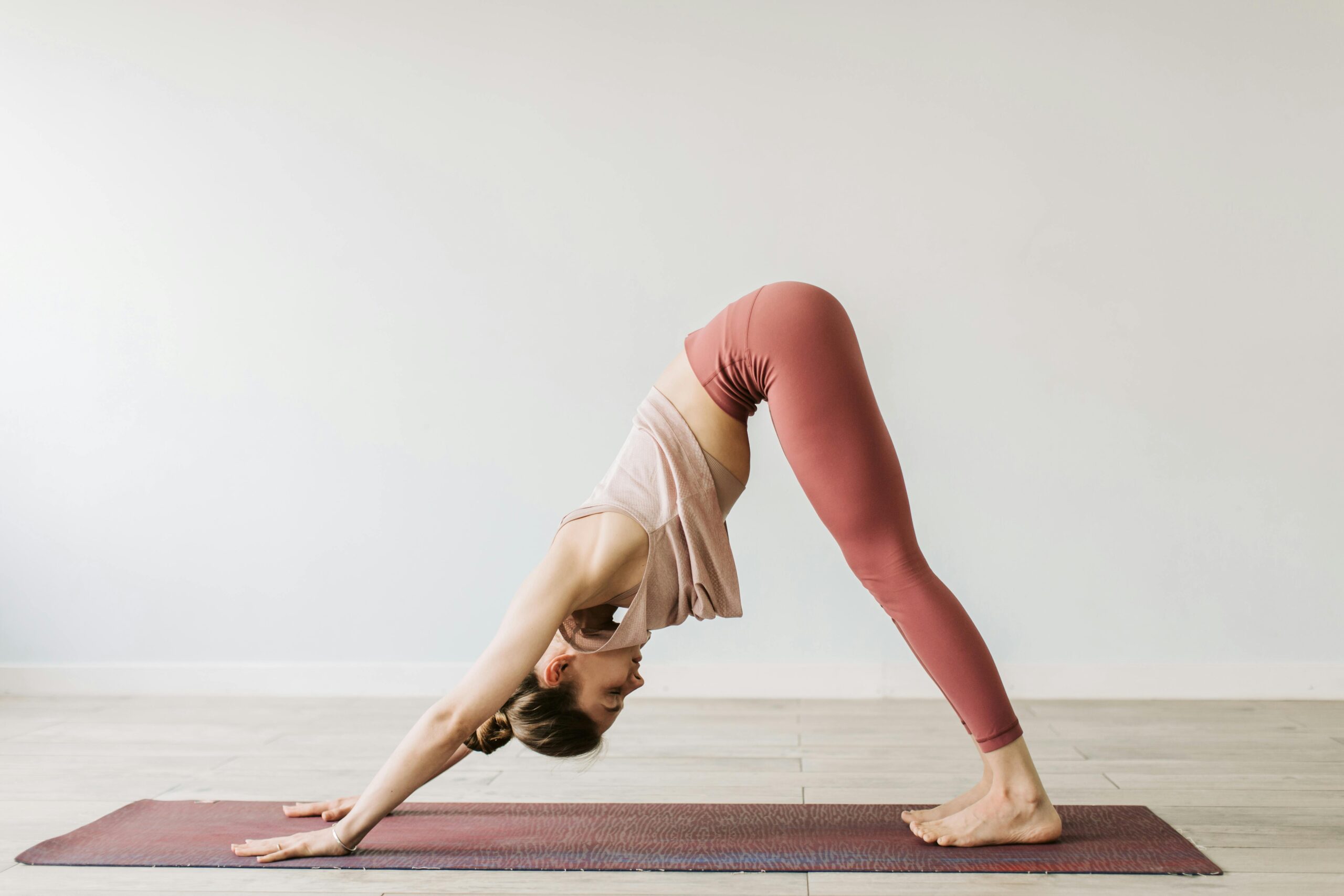
Your Action Plan: Starting Tomorrow
Begin your micro-workout journey with realistic expectations and a simple plan. Choose just three exercises: one for upper body posture, one for hip mobility, and one for spine movement. Schedule them at specific times tomorrow, setting phone reminders if needed. Commit to this minimal routine for one full week before adding anything else.
After establishing this foundation, gradually expand based on what your body tells you. Notice which areas remain tight or uncomfortable, then add targeted exercises for those specific issues. Build your routine organically around your needs rather than following generic prescriptions that may not address your unique challenges.
Remember that sustainable change comes from consistency, not intensity. The person who performs three 3-minute micro-workouts daily for months will see dramatically better results than someone who does occasional heroic exercise sessions. Small actions, repeated regularly, transform your posture, mobility, and overall quality of life in ways that sporadic effort never can.
Your body is remarkably adaptive—it responds to the positions and movements you practice most frequently. By strategically inserting brief, targeted micro-workouts throughout your day, you’re essentially reprogramming your default settings toward better posture, increased mobility, and reduced pain. The investment is minimal, the returns are substantial, and the time to start is now.