Staying fit doesn’t require expensive gym memberships or hours of free time. Micro-workouts are revolutionizing how we approach fitness, making it accessible for everyone, everywhere.

The modern lifestyle demands flexible fitness solutions that adapt to our busy schedules. Whether you’re a parent juggling childcare, a professional traveling frequently, or someone who simply struggles to find motivation for lengthy workout sessions, micro-workouts offer the perfect solution. These short bursts of exercise can transform your body and boost your energy levels without disrupting your daily routine.
🏋️ What Are Micro-Workouts and Why They’re Game-Changers
Micro-workouts are brief exercise sessions lasting anywhere from 1 to 15 minutes that target specific muscle groups or fitness goals. Unlike traditional workout programs that demand 45-60 minutes of your time, these condensed routines fit seamlessly into your day. Scientific research has shown that multiple short exercise bursts throughout the day can be just as effective as one long session for improving cardiovascular health, building strength, and burning calories.
The beauty of micro-workouts lies in their versatility and accessibility. You can perform them at home, in your office, at a hotel room, or even outdoors at a park. This flexibility eliminates the most common excuses for skipping exercise: lack of time, no equipment, or being away from your usual gym.
📋 The Power of a Printable Workout Library Checklist
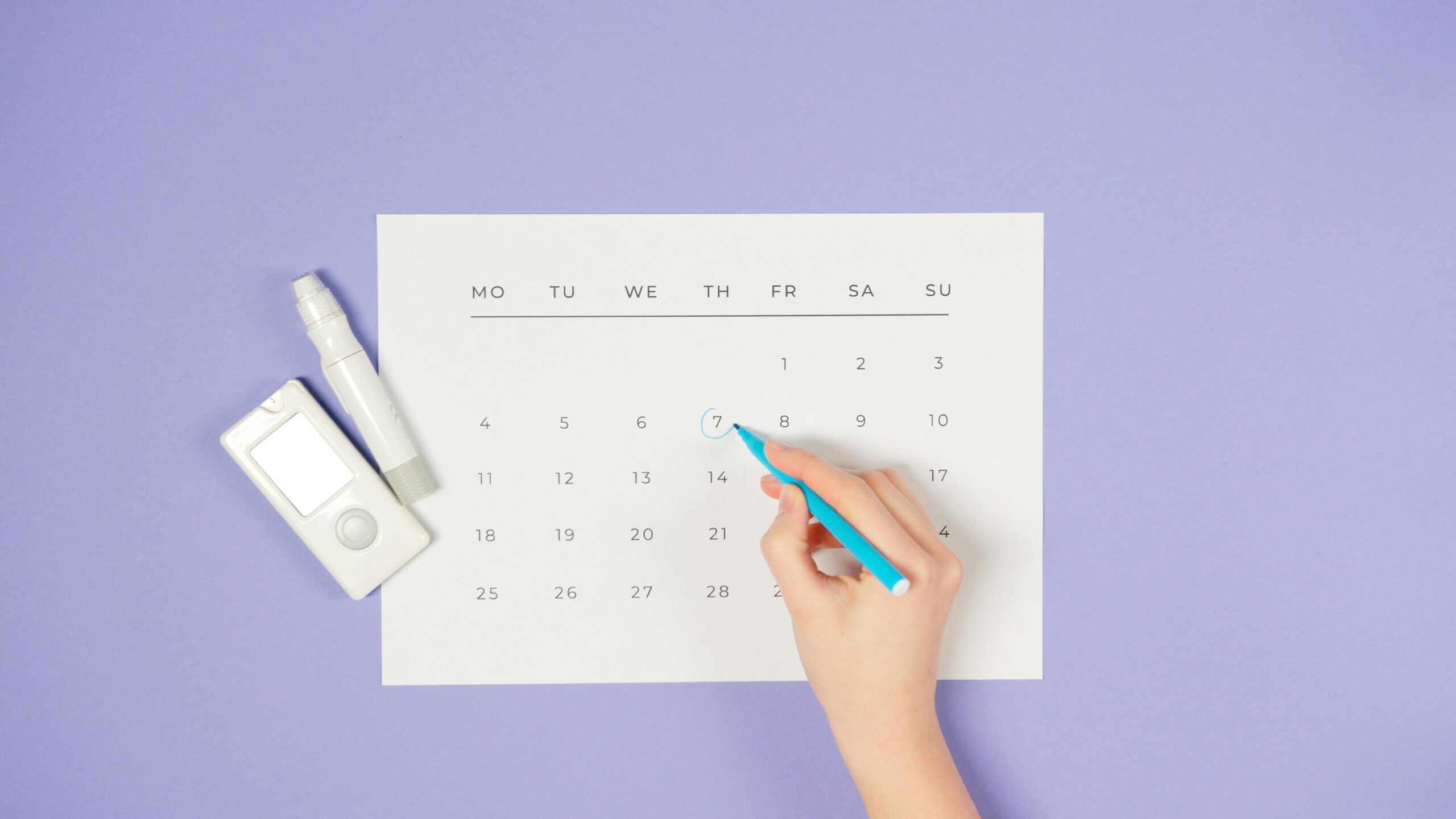
Having a printable micro-workout library checklist serves as your personal fitness companion. This tangible tool provides structure, accountability, and variety to your exercise routine. Unlike digital apps that require screen time and can be distracting, a printed checklist allows you to quickly reference exercises without technological interruptions.
A well-designed checklist typically includes exercise names, targeted muscle groups, duration or repetition counts, difficulty levels, and space to track completion. This visual representation of your fitness journey creates a sense of accomplishment as you check off completed workouts, triggering motivational reward centers in your brain.
Essential Components of an Effective Workout Checklist
Your printable library should include diverse exercise categories to ensure balanced fitness development. Consider organizing your checklist into sections such as cardio bursts, strength training, flexibility exercises, core work, and recovery stretches. This categorization makes it easy to select workouts based on your current energy level, available time, or specific fitness goals.
Each exercise entry should contain clear instructions or reference codes that correspond to detailed descriptions elsewhere in your library. Including modifications for different fitness levels ensures the checklist remains useful as you progress from beginner to advanced stages.
💪 Building Your Ultimate Micro-Workout Library
Creating a comprehensive micro-workout library requires thoughtful selection of exercises that deliver maximum results in minimum time. Focus on compound movements that engage multiple muscle groups simultaneously, as these provide the greatest efficiency for short workout sessions.
Cardio Micro-Workouts That Elevate Your Heart Rate
Cardiovascular exercises are essential for heart health, endurance, and calorie burning. Your library should include options like jumping jacks, high knees, burpees, mountain climbers, and skipping rope intervals. These exercises require no equipment and can be performed in spaces as small as a yoga mat.
A typical cardio micro-workout might involve 30 seconds of intense activity followed by 30 seconds of rest, repeated for 5-10 rounds. This high-intensity interval training (HIIT) approach maximizes cardiovascular benefits while keeping workout duration brief.
Strength-Building Exercises Without Equipment
Bodyweight exercises form the foundation of equipment-free strength training. Include variations of push-ups, squats, lunges, planks, and dips in your library. These fundamental movements can be modified infinitely to increase or decrease difficulty, ensuring long-term progression.
For example, your checklist might feature standard push-ups, diamond push-ups, wide-grip push-ups, and decline push-ups. This variety prevents workout monotony and challenges muscles from different angles, promoting balanced development.
Flexibility and Mobility Sessions
Often overlooked, flexibility work is crucial for injury prevention, improved performance, and overall wellbeing. Your library should include dynamic stretching routines for pre-workout warm-ups and static stretching sequences for post-workout recovery.
Incorporate exercises like leg swings, arm circles, hip openers, spinal twists, and shoulder stretches. These micro-sessions can be particularly valuable for office workers who spend hours in sedentary positions.
🗓️ Strategic Implementation: When and How to Use Your Checklist
The key to success with micro-workouts lies in strategic placement throughout your day. Rather than viewing exercise as a single event, embrace the concept of movement opportunities that naturally integrate into your existing routine.
Morning Energizers
Start your day with a 5-minute micro-workout immediately after waking up. This practice jumpstarts your metabolism, increases alertness, and establishes a positive tone for the day ahead. A morning routine might include sun salutations, bodyweight squats, and core activation exercises.
Keep your printed checklist near your bed or in the bathroom as a visual reminder. The physical presence of the checklist increases adherence rates significantly compared to digital reminders that can be easily dismissed.
Midday Movement Breaks
Combat the afternoon energy slump with brief exercise bursts. Set reminders to perform a quick 3-5 minute workout every 2-3 hours during your workday. These sessions can include desk-friendly exercises like chair dips, wall push-ups, or stair climbing.
Research demonstrates that these movement breaks not only improve physical health but also enhance cognitive function, creativity, and productivity. Your printed checklist should include a section specifically designed for workplace-appropriate exercises.
Evening Wind-Down Routines
End your day with gentle mobility work and stretching. Evening micro-workouts should focus on releasing tension accumulated throughout the day and preparing your body for restorative sleep. Include exercises like gentle yoga poses, foam rolling sequences, and breathing exercises.
📊 Tracking Progress and Staying Motivated
Your printable checklist serves dual purposes: workout guidance and progress tracking. Design your checklist with spaces to record completion dates, notes on how exercises felt, and any modifications made. This documentation creates a tangible record of your fitness journey.
Creating Accountability Systems
Visual progress tracking provides powerful motivation. Consider using different colored markers to check off completed workouts, creating a colorful mosaic of achievement over time. Some people find success by posting their checklist in visible locations like the refrigerator or bathroom mirror.
Monthly reviews of your completed checklists reveal patterns in your exercise habits. You might discover which workout types you naturally gravitate toward, which times of day you’re most consistent, and how your energy levels fluctuate throughout the week.
🎯 Customizing Your Library for Specific Goals
While a general micro-workout library serves most people well, customization amplifies results. Tailor your checklist based on specific objectives such as weight loss, muscle building, athletic performance, or stress management.
Weight Loss Focus
For fat burning goals, emphasize high-intensity cardio micro-workouts throughout the day. Structure your checklist to include at least 4-6 cardio sessions daily, each lasting 3-5 minutes. Combine these with strength exercises to maintain muscle mass during calorie deficits.
Muscle Building Priority
Strength-focused libraries should feature progressive overload principles, even with bodyweight exercises. Include variations that increase difficulty through tempo changes, pause reps, or single-limb movements. Your checklist might organize exercises by muscle groups, ensuring balanced development across all areas.
Stress Relief and Mental Health
For those using exercise primarily for mental wellness, incorporate more mindful movement practices. Include breathwork exercises, walking meditations, gentle yoga flows, and stretching sequences. These micro-workouts activate the parasympathetic nervous system, promoting relaxation and stress reduction.
🌍 Staying Active Anywhere: Travel-Friendly Workouts
One of the greatest advantages of a micro-workout library is portability. Whether traveling for business or pleasure, your printed checklist ensures fitness continuity regardless of location. Pack it in your carry-on luggage, and you’ll have instant access to equipment-free workouts anywhere you go.
Hotel rooms, airport terminals, and outdoor spaces become your gymnasium when you have a diverse exercise library at your fingertips. This consistency prevents the fitness regression that commonly occurs during travel, maintaining your hard-earned progress.
Adapting to Limited Space
Include a section in your checklist specifically for confined space workouts. Exercises like wall sits, isometric holds, and standing core work require minimal room yet deliver significant benefits. These options ensure no environment is too restrictive for maintaining your routine.
🔄 Preventing Workout Monotony
Variety prevents both physical plateaus and mental boredom. A comprehensive micro-workout library should contain enough exercise options to create unique routines for several weeks without repetition. Rotate through different combinations regularly to challenge your body in new ways.
Consider organizing your checklist with themed workout days. For example, Monday might focus on lower body strength, Tuesday on cardio intervals, Wednesday on core and balance, and so forth. This structure provides variety while ensuring balanced fitness development.
👥 Making It Social: Community and Support
Transform your individual practice into a shared experience by creating checklist accountability groups with friends, family, or coworkers. Share completed checklists weekly, celebrate milestones together, and exchange favorite micro-workout discoveries.
Some people create challenge boards at their workplace, where colleagues post their checklists and compete in friendly fitness competitions. This social element introduces fun and external motivation that enhances adherence rates.
🛠️ Practical Tips for Checklist Design and Use
When creating your printable library, prioritize clarity and usability. Use large, readable fonts and include simple exercise diagrams or stick figure representations. Laminating your checklist or placing it in a page protector allows you to use dry-erase markers for reusable tracking.
Keep multiple copies in strategic locations: one at home, one at work, and one in your gym bag or car. This redundancy ensures you always have access to your workout guide regardless of where your day takes you.
Digital Integration Options
While the focus is on printable resources, consider scanning your completed checklists to create a digital archive. This backup preserves your progress history and allows for easy sharing with fitness professionals if you later seek personalized coaching.
💡 Maximizing Results: Nutrition and Recovery Considerations
Micro-workouts are most effective when supported by proper nutrition and adequate recovery. Your checklist system can expand to include hydration tracking, meal planning reminders, and sleep quality notes. This holistic approach recognizes that fitness extends beyond exercise alone.
Brief workouts throughout the day create multiple opportunities for post-exercise nutrition. Small, protein-rich snacks after each micro-session support muscle recovery and maintain stable energy levels throughout the day.
🚀 Taking Your First Steps
Beginning your micro-workout journey requires minimal investment but delivers maximum returns. Start by selecting 10-15 exercises from different categories that appeal to you. Create a simple checklist template, print it, and commit to completing just three micro-workouts daily for one week.
This modest beginning builds the habit foundation necessary for long-term success. As confidence grows, gradually expand your library, increase workout frequency, and explore more challenging exercise variations. The beauty of this system lies in its scalability—it meets you where you are and grows alongside your fitness journey.
Transform your relationship with fitness by embracing the micro-workout philosophy. Your printable library checklist becomes more than a exercise guide—it’s a declaration of commitment to your health, a celebration of progress, and a powerful tool that proves effective fitness doesn’t require hours of time or expensive equipment. Start today, stay consistent, and watch as these small efforts compound into remarkable results that extend far beyond physical transformation.