
Planning a walking route with your baby or toddler transforms ordinary strolls into enriching adventures. With proper preparation and thoughtful route selection, every outing becomes an opportunity for discovery, fresh air, and quality bonding time.

Whether you’re a new parent navigating neighbourhood pavements or an experienced caregiver seeking fresh walking inspiration, strategic route planning ensures comfortable, enjoyable experiences for both you and your little one. The right approach makes all the difference between a stressful scramble and a delightful journey that leaves everyone smiling.
🗺️ Understanding Your Walking Route Essentials
Before stepping out the door, successful stroller navigation requires understanding what makes a route genuinely suitable for families with young children. Not all paths are created equal when you’re pushing a pram or managing a curious toddler.
The foundation of any perfect walking route centres on accessibility, safety, and engagement. These three pillars work together to create experiences that satisfy both practical needs and developmental benefits for your child.
Surface Quality Matters More Than You Think
Pavement conditions dramatically impact your walking experience. Smooth, well-maintained surfaces reduce vibration, protect your stroller wheels, and make pushing significantly easier, especially when navigating inclines or covering longer distances.
Cracked pavements, cobblestones, and uneven terrain create unnecessary challenges. They jostle your baby, make steering difficult, and can even damage your pushchair over time. When scouting potential routes, pay close attention to path conditions and choose accordingly.
Timing Your Walks for Maximum Success
Strategic timing elevates good walks to great ones. Understanding your child’s natural rhythms and aligning outings with optimal windows creates smoother experiences with fewer meltdowns and more contentment.
Consider your little one’s feeding schedule, nap patterns, and energy peaks when planning departure times. Early morning walks often catch babies in pleasant moods after breakfast, whilst mid-morning strolls might align perfectly with their first nap opportunity.
Weather Windows and Seasonal Considerations
British weather presents unique planning challenges. Checking forecasts before heading out prevents unpleasant surprises and helps you prepare appropriate layers, rain covers, and sun protection for your child.
Different seasons offer distinct advantages. Spring walks showcase blooming flowers that captivate young eyes. Summer evenings provide extended daylight for longer adventures. Autumn leaves create sensory wonderlands, whilst winter strolls offer crisp air and festive decorations to admire.
🚼 Essential Amenities Along Your Route
Strategic route planning includes identifying key facilities that transform potentially stressful situations into manageable moments. Knowing where to find essential services provides peace of mind and practical solutions.
Parent-friendly amenities make the difference between cutting walks short and extending enjoyable outings. Consider these crucial facilities when mapping your perfect walking routes:
- Clean, accessible baby changing facilities
- Comfortable feeding areas, whether for nursing or bottle preparation
- Public toilets with baby-friendly features
- Cafés and shops with pushchair-friendly entrances
- Shaded rest areas with benches
- Water fountains or refill stations
- Playground stops for mobile toddlers
Creating Your Personal Amenity Map
Technology simplifies amenity tracking considerably. Mapping applications allow you to save favourite locations, note facility quality, and build a personalised database of parent-approved stops across your regular walking areas.
Many parents find success using dedicated apps designed specifically for families. These platforms crowdsource information about changing facilities, nursing-friendly spaces, and pushchair accessibility, helping you plan routes with confidence.
Safety First: Assessing Route Security
Your walking route should prioritise safety without sacrificing enjoyment. Evaluating potential hazards and choosing well-maintained, populated paths provides reassurance whilst allowing your child to experience the world safely.
Well-lit routes with good visibility create safer environments, particularly important for evening walks or shorter winter days. Avoid isolated paths, especially when walking alone, and favour routes with regular foot traffic and proximity to shops or residential areas.
Traffic Considerations and Crossing Points
Road safety becomes paramount when navigating urban environments with your pushchair. Routes with fewer road crossings, dedicated pedestrian crossings with proper signals, and wide pavements separated from traffic flow offer significantly safer experiences.
When crossing points prove unavoidable, prioritise those with traffic islands, extended crossing times, or zebra crossings where drivers expect pedestrians. Always position your stroller behind you whilst waiting, never extending it into the roadway before you cross.
🌳 Incorporating Stimulation and Interest
Perfect walking routes balance practical considerations with developmental enrichment. Young children benefit enormously from varied sensory experiences, visual interest, and opportunities to observe their expanding world.
Routes passing through parks, past interesting shopfronts, or alongside water features provide constantly changing scenery that captures attention and supports cognitive development. Even pre-verbal babies absorb remarkable amounts of information through observation during walks.
Natural Elements and Green Spaces
Incorporating nature into regular walking routes offers profound benefits for both parent and child. Trees, flowers, birds, and seasonal changes create talking points, teach observation skills, and provide calming natural environments that contrast with indoor time.
Parks and green corridors typically feature better air quality, reduced noise pollution, and spaces where slightly older toddlers can safely exit the pushchair for supervised exploration. These natural settings support healthy development whilst giving caregivers restorative exposure to nature.
Distance and Duration Guidelines
Realistic expectations about appropriate walking distances prevent exhaustion and ensure everyone enjoys the experience. Your route length should reflect your fitness level, your child’s age and temperament, and your available time.
New parents often benefit from shorter initial routes, gradually building stamina and confidence before attempting longer distances. Remember that you’re establishing sustainable habits rather than competing in endurance events.
Age-Appropriate Route Lengths
Babies under six months often tolerate longer walks comfortably, frequently sleeping through extended stroller time. However, their feeding schedules may limit practical distances before requiring stops.
Mobile toddlers present different considerations. Whilst they may ride happily for portions of walks, they also need opportunities to practice walking independently. Routes accommodating both pushchair time and supervised toddling create balanced outings that support gross motor development.
| Child’s Age | Suggested Duration | Ideal Route Features |
|---|---|---|
| 0-6 months | 30-60 minutes | Smooth paths, frequent benches, quiet environments |
| 6-12 months | 45-75 minutes | Visual interest, moderate stimulation, feeding-friendly stops |
| 12-24 months | 30-60 minutes | Safe walking areas, playground stops, interactive elements |
| 2-3 years | 45-90 minutes | Adventure elements, nature features, toilet access |
📱 Leveraging Technology for Better Planning
Modern technology offers remarkable resources for optimising walking routes. Digital tools provide detailed information about gradients, surface types, accessibility features, and estimated journey times based on your walking pace.
Fitness tracking applications designed for walking help you discover new routes, measure distances accurately, and monitor your physical activity whilst caring for your little one. Many feature community-shared routes specifically designed for pushchair accessibility.
Offline Maps for Uninterrupted Navigation
Downloading offline maps for your regular walking areas ensures navigation continues even when mobile signals prove unreliable. This preparation becomes particularly valuable when exploring unfamiliar neighbourhoods or venturing into parks with limited connectivity.
Battery conservation matters when relying on smartphone navigation during extended walks. Activating battery-saving modes and carrying portable chargers ensures your device remains functional throughout your outing, supporting both navigation and emergency communication needs.
Building Flexible Routes with Contingency Options
The best-laid plans occasionally require adjustment. Building flexibility into your route planning accommodates unexpected situations like sudden weather changes, nappy emergencies, or surprising meltdowns without derailing your entire outing.
Circular routes offer inherent flexibility, allowing you to cut walks short by reducing loop size whilst still returning home efficiently. Alternatively, out-and-back routes provide natural turnaround options at any point along the path.
Strategic Shortcut Knowledge
Familiarising yourself with quick return routes from various points along your regular walks provides invaluable peace of mind. When situations require prompt returns home, knowing efficient shortcuts eliminates navigation stress during already challenging moments.
These contingency routes should prioritise directness over interest, featuring the most straightforward paths with minimal obstacles or complicated crossings. Practice these shortcuts occasionally during calmer walks to build confident familiarity.
🎒 Packing Smart for Route Success
Thoughtful packing transforms good walks into great ones by ensuring you carry everything needed without becoming overburdened. Your preparation should reflect route length, available amenities, and your child’s current needs.
Essential items remain fairly consistent regardless of route, but longer walks or those with fewer facilities require more comprehensive supplies. Strike a balance between preparedness and practicality to avoid pushing an unnecessarily heavy load.
Seasonal Packing Adjustments
Weather conditions dramatically influence appropriate supplies. Summer walks demand sun protection including appropriate factor sun cream, sun hats, and additional hydration. Winter outings require extra layers, weather-appropriate covers, and perhaps warm drinks in insulated bottles.
Transitional seasons present the greatest packing challenges, often requiring contingency items for multiple weather possibilities. Lightweight, packable rain covers and spare layers provide insurance against British weather’s notorious unpredictability.
Social Walking Routes and Community Connections
Walking routes that facilitate social connections with other parents offer additional value beyond physical activity. Shared experiences create support networks, combat isolation, and provide opportunities for children to observe peers.
Popular park loops, regular walking groups, and parent-and-baby fitness walks create communities of caregivers navigating similar life stages. These social routes often yield friendships, practical advice, and emotional support that extend well beyond the walking path.
Discovering Local Walking Groups
Community centres, children’s centres, and online neighbourhood groups frequently organise regular walking meetups specifically designed for parents with young children. These structured opportunities remove the pressure of planning whilst providing guided routes and built-in social interaction.
Buggy fitness classes combine exercise objectives with route walking, offering structured workouts designed around pushchair capabilities whilst connecting you with other active parents in your area.
Exploring Beyond Your Immediate Neighbourhood
Whilst familiar local routes provide comfort and convenience, occasionally venturing further afield offers refreshing variety and expanded experiences for both you and your child. New environments stimulate curiosity and create memorable outings that break routine monotony.
Research pushchair-friendly destinations within reasonable travelling distance. Country parks, coastal paths, historical town centres, and botanical gardens often feature excellent walking infrastructure specifically designed to accommodate families with young children.
Transport Considerations for Destination Walks
When planning walks requiring travel, verify that your chosen stroller folds appropriately for your vehicle or public transport options. Some beautiful walking destinations prove frustratingly inaccessible if your pushchair doesn’t accommodate necessary transport methods.
Public transport accessibility varies considerably. Research station facilities, bus policies regarding pushchairs, and potential challenges before committing to destinations requiring complex journeys. Successfully navigating transport with young children requires realistic planning and generous time allowances.
🌟 Creating Themed Walking Adventures
Injecting creativity into regular walks transforms routine outings into engaging adventures that capture imagination and create anticipation. Themed walks provide focus, encourage observation skills, and make familiar routes feel fresh and exciting.
Simple themes work beautifully with young children. Colour walks challenge toddlers to spot specific colours throughout the journey. Sound walks encourage listening for different noises like birds, vehicles, or rustling leaves. Counting walks practice early numeracy by counting trees, dogs, or red cars encountered along the route.
Seasonal Celebration Walks
Aligning walks with seasonal events creates natural excitement and talking points. Spring blossom walks celebrate renewal, summer ice cream walks incorporate treats, autumn leaf collection walks engage busy hands, and winter light walks admire festive decorations after dark.
These themed approaches require minimal additional planning whilst significantly enhancing engagement, particularly valuable as children develop preferences and occasionally resist routine outings.
Monitoring and Adapting Your Routes Over Time
Your perfect walking route today may require adjustment as your child grows, seasons change, or your circumstances evolve. Regular evaluation ensures your routes continue meeting current needs rather than serving outdated requirements.
Children develop rapidly during early years, with changing mobility, attention spans, and interests requiring route adaptation. Routes perfect for sleeping newborns differ dramatically from those ideal for curious toddlers demanding interactive experiences and walking practice opportunities.
Keeping Walking Journals for Route Optimisation
Maintaining simple records of successful walks, challenging moments, and particularly enjoyed features helps identify patterns and refine future planning. Note which routes produced happy moods, where difficulties occurred, and what environmental factors contributed to positive experiences.
This information becomes invaluable when introducing walking routines to new caregivers, recommending routes to fellow parents, or planning special occasion walks requiring reliable success.
Weather-Proofing Your Walking Routine
British weather need not derail walking routines when you approach conditions strategically. Appropriate gear, realistic expectations, and weather-specific route selection maintain consistency whilst prioritising comfort and safety.
Light rain often proves perfectly manageable with quality rain covers, waterproof clothing, and routes offering occasional shelter. However, heavy downpours, strong winds, icy conditions, or extreme temperatures warrant postponement rather than risking discomfort or safety.
Indoor Alternative Planning
Genuinely inclement weather requires backup plans maintaining movement and routine without outdoor exposure. Large shopping centres, museums with pushchair access, and indoor play facilities provide walking opportunities whilst protecting against harsh conditions.
These alternatives prevent cabin fever and maintain beneficial routines even when traditional outdoor walks prove impractical. Identifying several suitable indoor options beforehand eliminates stressed, last-minute searching during already challenging weather days.
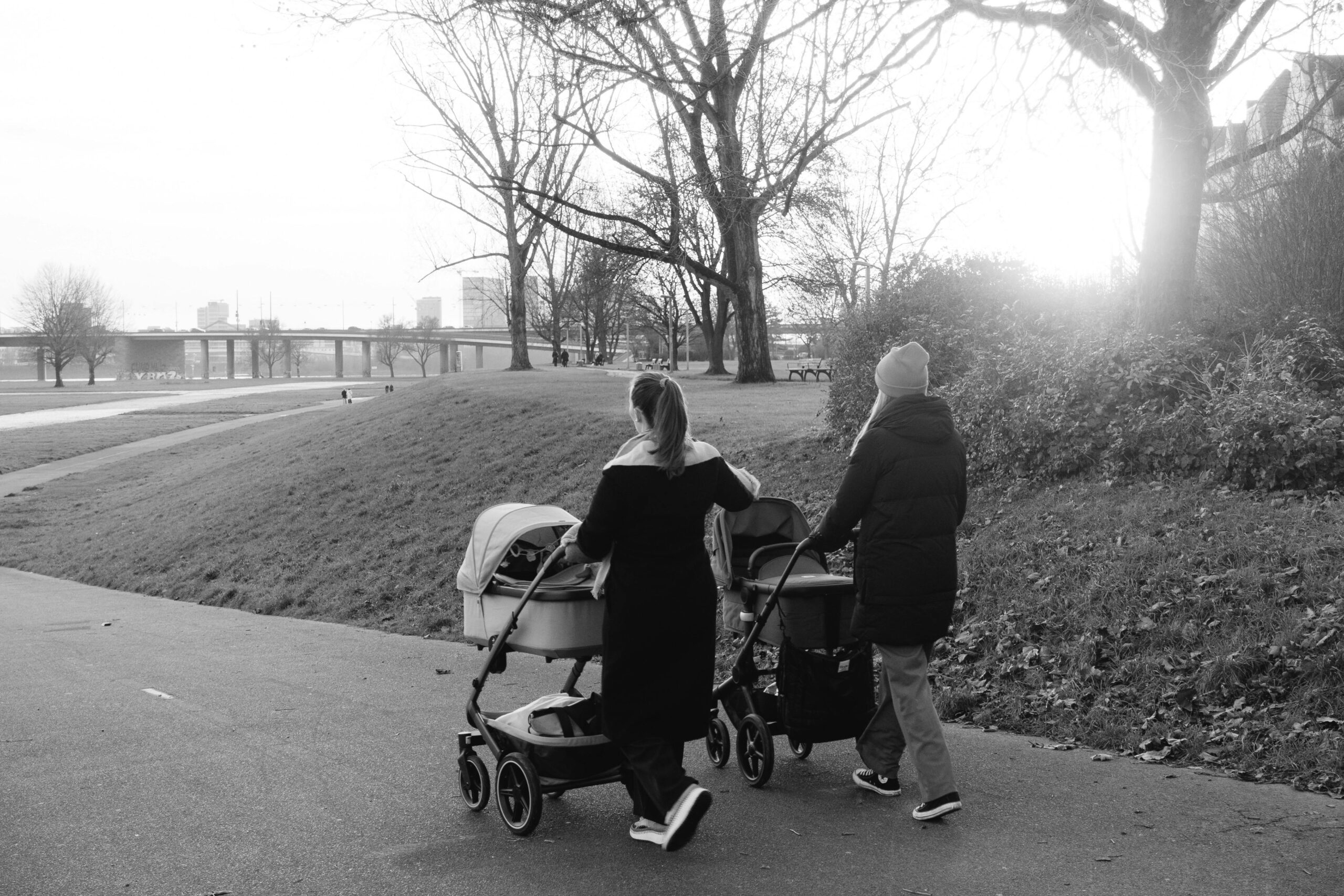
Making Every Walk Count
Perfect walking routes balance practical considerations with enrichment opportunities, creating experiences that benefit physical health, emotional wellbeing, and developmental progress. Your thoughtful planning transforms ordinary outings into valuable adventures that strengthen bonds whilst supporting your child’s growth.
Start with manageable routes close to home, gradually expanding confidence and distance as you discover what works best for your unique family situation. Remember that perfection lies not in ambitious distances or picture-perfect destinations, but in creating sustainable, enjoyable routines that you’ll both look forward to repeating. Every step taken together builds foundations for lifelong healthy habits and precious memories that extend far beyond the walking path itself.