
Navigating toddler nap times while maintaining an active lifestyle doesn’t have to feel like an impossible balancing act. Parents everywhere are discovering that strategic planning can transform stroller outings into opportunities for both adventure and restful sleep.

The secret to successful on-the-go nap routines lies in understanding your child’s natural rhythms while embracing flexibility. When approached thoughtfully, movement-based nap plans create win-win situations where toddlers get quality rest and parents maintain their sanity and social connections.
🌟 Understanding the Magic of Motion-Based Sleep
Toddlers have an innate ability to fall asleep during movement, a phenomenon rooted in evolutionary biology. The gentle rocking motion of strollers mimics the sensations babies experienced in the womb, triggering calming responses that facilitate sleep transitions.
Research consistently shows that rhythmic movement activates the vestibular system, which plays a crucial role in relaxation and sleep onset. This natural sleep trigger becomes your greatest ally when planning outings during traditional nap windows.
The key difference between chaotic outings and peaceful stroller naps lies in intentional planning. Understanding your toddler’s sleep cues, typical nap duration, and optimal timing transforms random walks into structured rest opportunities that benefit the entire family.
🗓️ Crafting Your Personalized Nap-Time Movement Schedule
Every toddler operates on a unique internal clock, making personalization essential for success. Begin by tracking your child’s natural sleep patterns for one week, noting when drowsiness typically appears and how long naps normally last.
Most toddlers aged 12-24 months need two naps daily, while those aged 24-36 months transition to one afternoon nap. Build your adventure plans around these biological necessities rather than fighting against them.
Morning Movement Sessions
Early outings work wonderfully for families with toddlers who still take morning naps. Plan departures approximately 30 minutes before expected drowsiness, allowing time for initial excitement to settle into comfortable rhythms.
Choose routes that offer continuous movement without excessive stimulation. Tree-lined residential neighborhoods, waterfront paths, and quiet park trails provide ideal environments where gentle motion and peaceful surroundings combine perfectly.
Afternoon Adventure Windows
Post-lunch excursions accommodate the single-nap schedule most prevalent among older toddlers. Timing your departure for 20-30 minutes after eating gives digestion a head start while capturing that natural post-meal drowsiness.
Afternoon adventures can extend longer than morning sessions since many toddlers take their longest nap during this window. This expanded timeframe opens possibilities for reaching destinations further from home while ensuring adequate rest.
🚼 Essential Pre-Stroll Preparation Strategies
Success begins before wheels hit pavement. Establishing consistent pre-nap routines signals your toddler’s brain that sleep time approaches, even when the setting differs from home.
Dress your child in comfortable, weather-appropriate layers that won’t bunch or restrict movement. Temperature regulation significantly impacts sleep quality, so check conditions and adjust clothing accordingly before departure.
The Power of Familiar Sleep Associations
Bring along items your toddler associates with sleep—favorite blankets, loveys, or pacifiers. These familiar objects provide comfort and security in changing environments, facilitating smoother sleep transitions.
Consider creating a “stroller sleep kit” that stays packed and ready. Include backup pacifiers, a lightweight breathable blanket, window shades for sun protection, and a small white noise device if your child responds well to sound masking.
Nutrition and Hydration Timing
Feed your toddler 30-45 minutes before planned departure. A satisfied stomach prevents hunger-related wake-ups while allowing enough digestion time to avoid discomfort during movement.
Offer water before leaving but avoid excessive liquids immediately prior to nap attempts. Balance hydration needs with the reality that full bladders can disrupt otherwise peaceful snoozes.
🗺️ Route Selection for Optimal Sleep Success
Not all paths equal peaceful napping. Strategic route selection dramatically influences whether your toddler drifts off or remains alert and engaged throughout your outing.
Prioritize smooth, continuously moving routes over stop-and-go paths requiring frequent pauses. Stroller naps thrive on consistent rhythmic motion, making uninterrupted sidewalks and paths superior to routes with numerous street crossings.
Low-Stimulation Environments
Save high-energy destinations like playgrounds and busy shopping districts for awake time. During nap windows, choose quieter environments where visual and auditory stimulation remains minimal.
Natural settings work exceptionally well—botanical gardens, quiet trails, and residential areas with mature trees. These locations provide pleasant scenery for parents while offering calming visual patterns that don’t overstimulate drowsy toddlers.
Weather Considerations and Backup Plans
Check forecasts before committing to outdoor routes. Light rain need not cancel plans if you have proper stroller covers, but extreme temperatures, high winds, or severe weather warrant alternative strategies.
Develop indoor backup options for challenging weather days. Large shopping malls, museums with stroller-friendly policies, and indoor walking tracks maintain movement opportunities when outdoor conditions prove unsuitable.
⏱️ Mastering the Art of Timing Transitions
The transition from activity to rest represents the most critical phase of stroller napping. Rushing this process or misjudging readiness frequently results in overtired, resistant toddlers.
Watch for early drowsiness signals—eye rubbing, decreased activity, fussiness, or zoning out. Beginning your stroll when these first signs appear capitalizes on natural tiredness rather than waiting until overtiredness makes sleep elusive.
The Fifteen-Minute Rule
Plan for approximately 15 minutes of continuous movement before expecting sleep onset. This window allows your toddler to decompress from previous activities and synchronize with the stroller’s rhythm.
Maintain steady pacing during this crucial period. Avoid stopping to chat with neighbors, check phones, or window shop. These disruptions reset the relaxation process, potentially extending the time required for sleep onset.
Recognizing False Starts and Adjusting
Sometimes toddlers fight sleep despite perfect timing and conditions. If your child remains alert and engaged after 20-25 minutes of continuous movement, consider whether true tiredness exists or if you’ve missed the optimal window.
Rather than forcing situations, remain flexible. Sometimes converting nap attempts into shorter outings followed by home-based naps better serves everyone’s needs than prolonged struggles.
🛡️ Safety Protocols for Sleeping Stroller Passengers
While stroller naps offer convenience, maintaining safety standards ensures these rest periods remain secure and healthy for your toddler.
Always use five-point harness systems correctly, even during sleep. Drowsy children can shift positions unexpectedly, and proper restraints prevent dangerous situations without restricting comfortable rest.
Monitoring and Check-Ins
Establish regular visual check-in intervals—every 5-10 minutes minimum. Ensure your child’s airway remains unobstructed, that blankets haven’t covered their face, and that body positioning looks comfortable and safe.
Invest in a small mirror attachment that allows monitoring without stopping. These affordable accessories provide peace of mind while maintaining the continuous motion essential for sustained sleep.
Temperature Regulation During Sleep
Sleeping toddlers can’t communicate discomfort, making parental vigilance crucial. Periodically check the back of your child’s neck—it should feel neutral to slightly warm, never hot or cold.
Adjust layers or stroller configurations as needed. Use sunshades during bright conditions but ensure adequate ventilation. Overheating poses greater risks than slight coolness, so err on the side of slightly fewer layers.
📱 Technology Tools That Support Smooth Routines
Modern apps can streamline nap-time planning and tracking, helping parents optimize schedules and identify successful patterns over time.
Sleep tracking applications allow documentation of nap durations, wake times, and mood upon waking. This data reveals patterns that inform better planning and help identify what works best for your unique child.
Weather apps with hour-by-hour forecasts help time outings perfectly, while mapping applications can help you discover new low-traffic routes ideal for peaceful stroller naps.
White noise apps downloaded to phones placed in stroller pockets can mask sudden environmental sounds that might otherwise disturb light sleepers. Choose apps offering continuous play without advertisements that could startle awake nappers.
👨👩👧👦 Social Outings Without Sacrificing Sleep
Maintaining social connections while respecting nap schedules requires communication and creativity, but absolutely remains achievable with thoughtful planning.
Schedule meetups with other parents during optimal nap windows. Walking groups specifically designed for parents with napping toddlers have become increasingly popular, offering socialization while strollers roll.
Coffee Dates and Outdoor Dining
Choose restaurants with outdoor seating or spacious layouts accommodating strollers. Arrive after your toddler has fallen asleep, allowing you to enjoy adult conversation while they rest peacefully nearby.
Plan these outings for mid-nap rather than beginning or end points. This timing maximizes your uninterrupted social time while reducing the likelihood of disrupted sleep from transitions.
Setting Boundaries and Managing Expectations
Communicate your nap-time priorities clearly with friends and family. Most people respect when parents advocate for their children’s needs, especially when explained as benefiting everyone’s experience.
Don’t apologize for protecting sleep schedules. Well-rested toddlers make for more pleasant social interactions, and maintaining routines ultimately allows for more consistent participation in activities.
🌈 Adapting Plans as Your Toddler Grows
Developmental changes constantly reshape sleep needs and nap patterns. What works perfectly for months may suddenly require adjustment as your toddler matures.
The transition from two naps to one typically occurs between 15-18 months but varies significantly by child. Watch for signs like fighting morning naps, shortened afternoon sleep, or difficulty with bedtime—all indicators that schedule modifications may be necessary.
Maintaining Flexibility During Transitions
Transitional periods often require alternating between old and new schedules based on daily circumstances. Some days your toddler may need two shorter outings, while other days one longer adventure suffices.
Keep detailed notes during these shifting phases. Patterns emerge more clearly when tracked consistently, helping you recognize when new routines have truly stabilized versus temporary fluctuations.
Preparing for Nap Elimination
Most children drop daytime naps entirely between ages 3-5. As this transition approaches, stroller outings shift from sleep-focused to activity-centered adventures.
Gradually introduce “quiet time” stroller rides where sleep isn’t the goal but rest and decompression remain priorities. This intermediate phase helps toddlers learn to rest without necessarily sleeping, a valuable skill for their development.
🎯 Troubleshooting Common Stroller Nap Challenges
Even with perfect planning, obstacles occasionally disrupt otherwise smooth routines. Knowing how to address common issues prevents minor hiccups from becoming major frustrations.
The Child Who Won’t Fall Asleep
If sleep consistently eludes your toddler during stroller outings, evaluate timing first. You might be attempting naps too early or too late relative to their natural rhythms.
Consider whether overstimulation precedes your outings. High-energy activities immediately before nap attempts can make settling difficult. Build in transition time between excitement and expected sleep.
Frequent Wake-Ups During Stroller Naps
Disrupted sleep often relates to environmental factors—temperature discomfort, sun in eyes, or startling noises. Systematically address each possibility until you identify the culprit.
Some toddlers experience lighter sleep during motion than stationary rest. If your child consistently wakes after 20-30 minutes, they might need stationary rest for complete sleep cycles despite initial motion-assisted onset.
Difficulty Transitioning Between Stroller and Home Sleep
Children accustomed exclusively to stroller napping may resist stationary sleep environments. Maintain variety by alternating between movement-based and home-based naps rather than relying exclusively on one approach.
Create consistent elements across both settings—same sleep sacks, white noise, or loveys. These familiar anchors help your toddler recognize sleep time regardless of location.
💡 Advanced Strategies for Seasoned Stroller Nappers
Once basic routines feel solid, these advanced techniques can further optimize your on-the-go sleep success and expand adventure possibilities.
Multi-Destination Planning
Experienced parents often master the art of chaining destinations around nap schedules. Begin walking until sleep onset, then drive to a secondary location for the middle nap portion, finishing with a stroller walk for the wake-up phase.
This approach allows errands, appointments, or social visits during sleep’s deepest phase while maintaining the motion bookends that facilitate smooth transitions.
Sibling Coordination Techniques
Managing multiple children with different sleep needs requires next-level planning. Seek overlapping nap windows, even if they don’t perfectly align with each child’s ideal timing.
Double or triple strollers enable simultaneous napping, though older siblings may need quiet activities during younger children’s sleep. Audiobooks with headphones, travel activity kits, or special “quiet time” toys can occupy alert children without disturbing nappers.
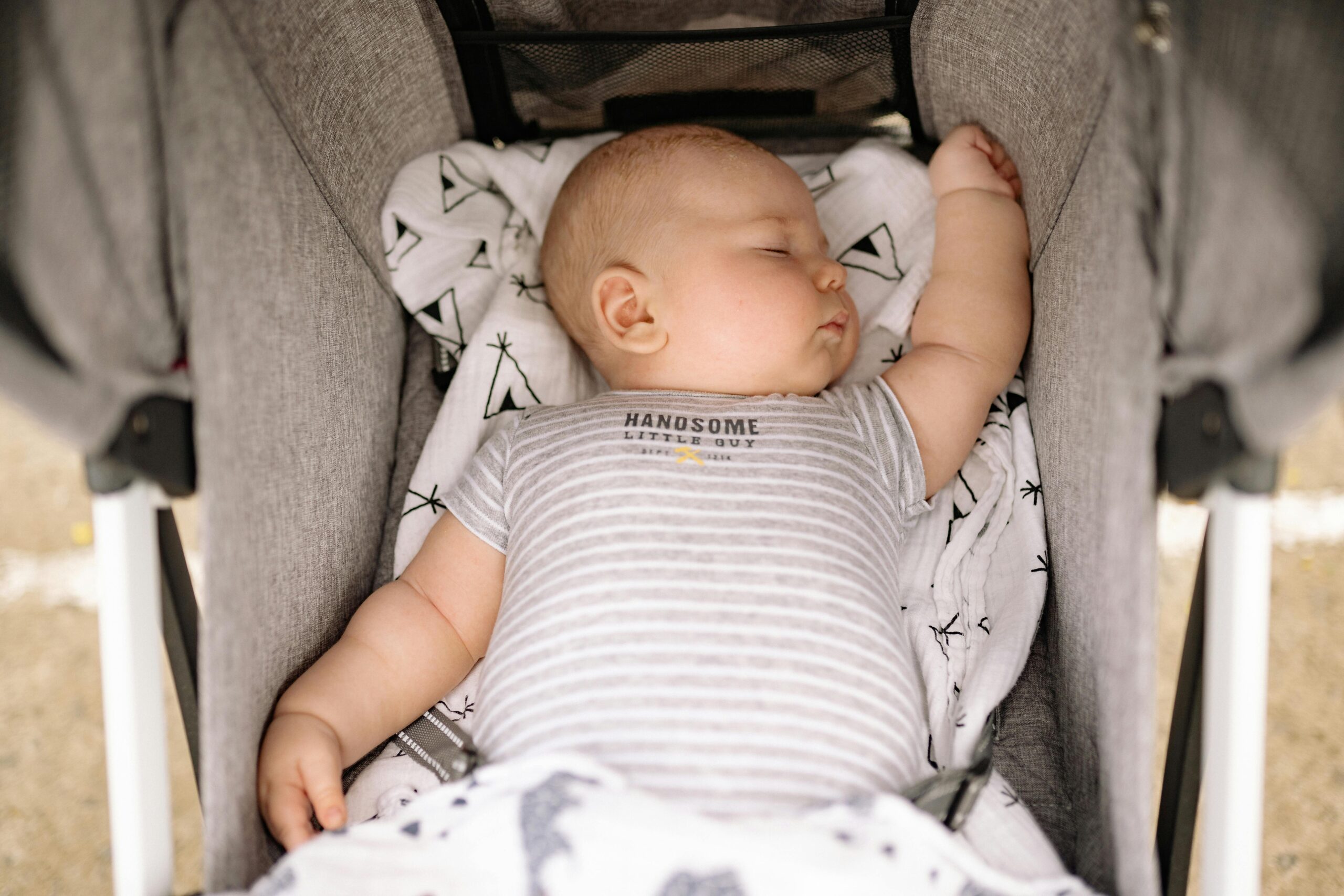
🌟 Embracing the Journey Beyond Perfect Plans
Despite best efforts, some days simply won’t go according to plan—and that’s perfectly acceptable. Flexibility and self-compassion matter as much as strategic planning.
Remember that occasional disrupted naps won’t permanently damage sleep patterns or development. The goal is establishing generally consistent routines that work most of the time, not achieving perfection every single day.
Celebrate successful stroller naps as wins while treating challenging days as learning opportunities. Each outing provides information about what works for your unique child, gradually refining your approach.
The phase of life requiring careful nap planning passes more quickly than it feels while you’re in it. These stroller adventures create precious memories of quiet neighborhood walks, discovered parks, and peaceful moments watching your sleeping toddler—experiences worth the effort of thoughtful planning.
By approaching toddler nap times as opportunities rather than obstacles, you’ll discover that stress-free adventures and peaceful snoozes truly can coexist. The key lies not in rigid schedules but in understanding your child’s needs, preparing thoughtfully, and maintaining flexibility when reality inevitably deviates from plans.