
Traveling with young children doesn’t mean sacrificing adventure or staying confined to your home. With the right preparation and a reliable stroller, families can explore cities, parks, museums, and destinations worldwide while keeping little ones comfortable and parents stress-free.

The key to successful stroller-friendly travel lies in smart planning, choosing the right equipment, and knowing which destinations welcome families with open arms. Whether you’re planning a weekend getaway or an international adventure, understanding how to navigate different terrains, transportation systems, and attractions with a stroller can transform your family travel experience from challenging to delightful.
🚼 Choosing the Perfect Travel Stroller for Your Adventures
Not all strollers are created equal when it comes to travel. The stroller that works perfectly for neighborhood walks might become a burden when navigating airport terminals, cobblestone streets, or public transportation. Your travel stroller should balance portability, comfort, and durability.
Lightweight umbrella strollers are excellent for urban exploration and air travel, typically weighing under 15 pounds and folding compactly. They fit easily in overhead compartments and don’t strain your arms when carrying them up stairs. However, they may lack storage space and robust suspension for rougher terrain.
Compact full-featured strollers offer a middle ground, providing better suspension, larger canopies, and more storage while still maintaining reasonable portability. These strollers work well for families who want comfort without excessive bulk. They’re ideal for destination vacations where you’ll use the stroller extensively throughout the day.
Travel systems that convert from infant car seats to strollers provide convenience for families with babies, eliminating the need to disturb sleeping infants during transitions. However, they tend to be heavier and bulkier, making them less ideal for frequent flights or crowded city navigation.
Essential Stroller Features for Smooth Travel
When selecting a travel stroller, prioritize one-handed folding mechanisms that allow you to collapse the stroller while holding your child or bags. This feature becomes invaluable when boarding buses, entering taxis, or navigating security checkpoints.
All-terrain wheels with good suspension make a significant difference when encountering uneven sidewalks, gravel paths, or beach boardwalks. Swivel front wheels enhance maneuverability in tight spaces, while lockable wheels provide stability on rough surfaces.
Adequate sun protection through extendable canopies shields your child from harsh sunlight during outdoor exploration. Look for UPF-rated fabrics and ventilation windows that allow airflow while maintaining shade coverage.
Storage capacity matters more than many parents initially realize. A decent-sized basket underneath the seat accommodates diaper bags, snacks, water bottles, and small purchases, freeing your hands and shoulders from carrying everything.
✈️ Navigating Airports and Air Travel with Strollers
Air travel with strollers has become increasingly accommodating as airlines recognize families as significant customer segments. Most airlines allow you to gate-check your stroller, meaning you can use it throughout the airport and surrender it just before boarding the aircraft.
Arrive at the airport with extra time when traveling with young children and strollers. Security checkpoints require you to fold the stroller and send it through the X-ray machine, which takes additional time, especially if you’re managing multiple children and carry-on items simultaneously.
Some airports offer family security lanes with more space and patient staff accustomed to helping families navigate the screening process. Research your departure airport beforehand to identify these family-friendly resources and plan your route accordingly.
Gate-checking your stroller typically involves receiving a tag at the gate counter, then leaving the stroller at the end of the jet bridge before boarding. Upon arrival, your stroller should be waiting at the same location, though in some airports, it might be delivered to the baggage claim area instead.
Consider bringing a compact stroller bag or travel cover to protect your stroller from damage during handling. These lightweight bags fold into their own pouches and prevent scratches, dirt, and mechanical damage from baggage handlers.
Airport Apps That Make Family Travel Easier 📱
Modern technology simplifies airport navigation significantly. Apps like GateGuru provide detailed airport maps showing family restrooms, nursing rooms, play areas, and the shortest routes between gates.
These digital tools help you plan layovers around child-friendly facilities and locate elevators instead of escalators when managing strollers and luggage. They often include real-time updates about gate changes, delays, and terminal amenities that prove invaluable when traveling with children.
🏙️ Exploring Cities: Urban Navigation with Strollers
Cities vary dramatically in their stroller-friendliness, with some offering seamless accessibility while others present constant challenges. European cities with medieval centers often feature narrow cobblestone streets, stairs, and uneven surfaces that make stroller navigation demanding.
Modern cities in North America, Australia, and parts of Asia typically provide better infrastructure with wider sidewalks, curb cuts, and accessible public transportation. Researching your destination’s walkability and public transit accessibility before departure helps set realistic expectations.
When exploring urban areas, plan your route around accessible attractions and restaurants. Many cities now offer accessibility maps highlighting curb cuts, elevator locations, and stroller-friendly paths through parks and pedestrian zones.
Public transportation systems vary widely in stroller accommodation. Some subway systems require folding strollers during peak hours, while others dedicate space for strollers and wheelchairs. Buses with low floors and ramps provide easier access than traditional high-step designs.
Stroller-Friendly City Destinations Around the World
Copenhagen consistently ranks among the world’s most stroller-friendly cities, with exceptional cycling infrastructure, smooth sidewalks, and a culture that embraces family-friendly design. The city’s public spaces prioritize accessibility, making exploration with young children genuinely enjoyable.
Singapore offers spotless sidewalks, excellent public transportation with dedicated family areas, and numerous parks and attractions designed with families in mind. The compact city-state makes it easy to navigate without excessive walking distances.
Portland, Oregon, combines accessible public transportation, family-friendly neighborhoods, and abundant parks with paved paths perfect for stroller exploration. The city’s emphasis on walkability and outdoor spaces creates an ideal environment for families.
Melbourne features wide sidewalks, accessible trams with dedicated spaces for strollers, and a cafe culture that welcomes families. The city’s parks and gardens offer extensive paved paths suitable for easy stroller navigation.
🏞️ National Parks and Nature Adventures
National parks and natural areas offer incredible family experiences, though they require different preparation than urban travel. Many parks feature paved trails and boardwalks specifically designed for accessibility, accommodating strollers alongside wheelchairs.
Research trail conditions before your visit, as park websites typically indicate which paths are paved, their gradient, and surface conditions. Visitor centers can provide current information about trail accessibility and recommend stroller-friendly routes based on your child’s age and your comfort level.
All-terrain strollers or jogging strollers with large wheels and robust suspension perform significantly better on unpaved trails than standard strollers. Consider renting specialized equipment if you don’t own appropriate gear for trail exploration.
Many families find baby carriers or hiking backpacks more practical than strollers for serious trail hiking. However, strollers work excellently for paved scenic drives, visitor center areas, and designated accessible trails throughout park systems.
Best Stroller-Accessible National Park Experiences
Yellowstone National Park offers numerous boardwalk trails around geothermal features that accommodate strollers beautifully. The Grand Prismatic Spring overlook and various geyser basin paths provide spectacular scenery without requiring rugged hiking.
Acadia National Park features the carriage roads—historic gravel paths originally designed for horse-drawn carriages that now provide miles of stroller-friendly exploration through stunning forests and around lakes.
Everglades National Park includes paved and boardwalk trails through unique ecosystems where families can observe wildlife from stroller-accessible vantage points. The Anhinga Trail offers particularly excellent stroller-friendly wildlife viewing opportunities.
Yosemite Valley features paved paths connecting major viewpoints, allowing families to experience iconic vistas of El Capitan, Half Dome, and Yosemite Falls without challenging terrain.
🎨 Museums, Attractions, and Indoor Exploration
Museums and indoor attractions generally accommodate strollers well, though policies vary by institution. Major museums typically allow strollers throughout their galleries, while smaller venues or special exhibitions might restrict them due to space constraints or conservation concerns.
Check museum websites before visiting to understand stroller policies and available amenities like coat checks where you can store folded strollers. Many institutions offer complimentary stroller parking areas near entrances for visitors who prefer exploring without pushing strollers through galleries.
Timing your museum visits strategically enhances the experience significantly. Arriving when museums open provides less crowded conditions, making stroller navigation easier and allowing your children to engage with exhibits before becoming overstimulated or tired.
Interactive children’s museums and science centers specifically design their spaces for families, with wide aisles, dedicated stroller parking, and family-friendly facilities including nursing rooms and comfortable areas for snacks and breaks.
Making the Most of Attraction Visits
Theme parks and major attractions often provide complimentary stroller rentals, which eliminates the need to bring your own through security and crowds. However, rental strollers vary in quality and comfort, and your child might not adapt easily to unfamiliar equipment.
Many attractions offer rider switch programs allowing parents to experience attractions individually while the other remains with young children, eliminating the need for paid childcare or missing experiences due to age restrictions.
Identify designated stroller parking areas at popular attractions to prevent your stroller from being moved by staff or other guests. Taking a photo of your stroller’s parking location on your phone prevents searching through seas of identical rental strollers later.
🍽️ Dining Out: Restaurant Navigation with Strollers
Restaurant dining with strollers requires consideration but shouldn’t limit your culinary exploration. Outdoor seating areas naturally accommodate strollers better than cramped indoor spaces, providing flexibility for movement and reducing concerns about disturbing other diners.
Call restaurants ahead to inquire about space for strollers and high chair availability. Many establishments gladly accommodate families when given advance notice, potentially reserving tables near corners or open areas that provide adequate space.
Timing meals during off-peak hours—late breakfast, early lunch, or early dinner—provides more relaxed dining experiences with better service, more available space, and reduced pressure from crowds waiting for tables.
Compact stroller folding creates goodwill with restaurant staff and other diners while improving your own dining experience by maximizing table space and preventing servers from navigating obstacle courses.
🛏️ Accommodation Selection for Stroller-Friendly Stays
Accommodation choices significantly impact your overall travel experience with young children. Properties with elevators eliminate the challenge of carrying strollers and children up multiple flights of stairs after long exploration days.
Ground-floor accommodations or properties with step-free entrances provide easier access when arriving with luggage, strollers, and tired children. Vacation rentals often offer more space than hotel rooms, providing areas to park strollers without creating congestion.
Proximity to attractions, restaurants, and parks reduces the distance you need to push strollers daily, conserving energy and allowing more frequent returns to your accommodation for naps, nursing, or quiet time.
Properties near public transportation with accessible stations or stops maximize your ability to explore without relying exclusively on walking or expensive taxi services throughout your stay.
Essential Accommodation Amenities for Families
Refrigerators and microwaves provide flexibility for storing and warming baby food, milk, and snacks, reducing dining costs and accommodating your child’s specific dietary needs and schedules.
In-room laundry or on-site laundry facilities prove invaluable during extended trips, allowing you to pack lighter and address inevitable spills and accidents without stress.
Secure stroller storage when not in use prevents theft and weather damage while freeing room space. Some hotels offer dedicated storage areas for guests’ sports equipment and strollers.
🌦️ Weather Considerations and Seasonal Planning
Weather significantly affects stroller travel comfort and feasibility. Extreme temperatures, whether hot or cold, require additional preparation to keep children comfortable during outdoor exploration.
Summer destinations demand excellent sun protection through stroller canopies, sunscreen, protective clothing, and strategic timing to avoid peak heat hours. Lightweight, breathable stroller fabrics and cooling accessories like clip-on fans enhance comfort.
Cold weather destinations require weather shields that protect against wind, rain, and snow while maintaining visibility and ventilation. Layered clothing for your child ensures temperature regulation without overheating in climate-controlled indoor spaces.
Rainy destinations benefit from waterproof stroller covers and rain canopies that allow exploration despite inclement weather. Quick-drying stroller fabrics and removable, washable seat covers simplify cleanup after muddy adventures.
💼 Packing Smart: Essential Stroller Accessories for Travel
Strategic accessory selection enhances stroller functionality without adding excessive bulk or weight. Stroller organizers that attach to handlebars keep essentials like phones, wallets, water bottles, and snacks within easy reach.
Universal cup holders accommodate your beverages and prevent spills, while carabiner clips allow you to attach shopping bags or diaper bags to the stroller frame, distributing weight and freeing your hands.
Portable changing pads that fold compactly transform any flat surface into a changing station, eliminating dependence on finding baby-changing facilities in every location you visit.
Compact first-aid kits tailored to your child’s needs address minor injuries and illnesses without requiring pharmacy searches in unfamiliar destinations. Include any prescription medications, pain relievers, bandages, and personal medical necessities.
🗺️ Planning Your Stroller-Friendly Itinerary
Realistic itinerary planning acknowledges that traveling with young children requires more time and flexibility than adult-only travel. Build buffer time between activities for unexpected delays, spontaneous discoveries, and necessary breaks.
Limit daily activities to prevent exhaustion for both children and parents. Two or three major experiences per day, interspersed with downtime, creates more enjoyable travel than ambitious schedules that leave everyone overwhelmed and cranky.
Balance active exploration with relaxation time at playgrounds, parks, or your accommodation. These unstructured periods allow children to burn energy in age-appropriate ways while giving parents mental breaks from constant navigation and planning.
Research backup indoor activities for inevitable weather disruptions or days when outdoor plans become unfeasible. Having alternative options prevents disappointment and wasted vacation days.
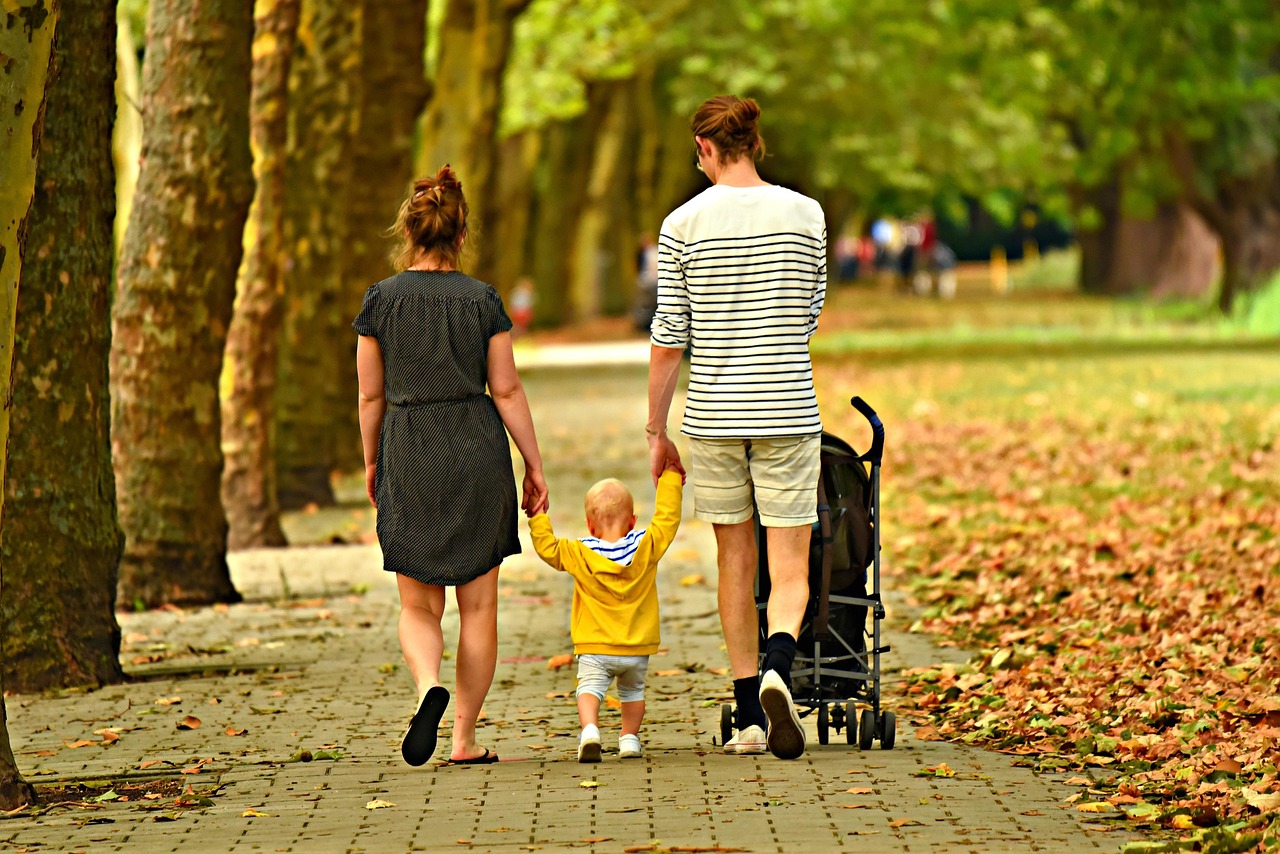
🤝 Embracing the Stroller-Friendly Travel Mindset
Successful stroller travel ultimately depends more on mindset than equipment or destination. Accepting that travel with young children differs from pre-parent adventures reduces frustration and increases enjoyment of new family dynamics.
Flexibility becomes your greatest asset when plans inevitably change due to nap times, mood shifts, or unexpected obstacles. The ability to adapt and find joy in altered plans often leads to the most memorable travel experiences.
Connect with other traveling families you encounter, exchanging tips, recommendations, and encouragement. The global community of parents navigating travel with young children offers invaluable support and solidarity.
Document your adventures through photos and journaling, focusing on the special moments rather than the challenges. Years later, you’ll treasure these family travel memories and appreciate the experiences you shared with your little ones.
Remember that stroller-friendly travel creates opportunities to introduce your children to diverse cultures, environments, and experiences that shape their worldview from an early age. The effort required to travel with young children pays dividends through expanded horizons, family bonding, and the confidence that you can explore the world together regardless of your children’s ages. With proper preparation, the right equipment, and realistic expectations, stroller-friendly travel opens endless possibilities for family adventures that create lasting memories and inspire lifelong curiosity about our beautiful, diverse world. 🌍